How would Man’s life on earth be without Prophethood?
Essentially, corruption, evil, and chaos have become widespread on earth as an inevitable result of people straying from the righteous teachings that the Prophets of Allāh have conveyed to Man since the earliest times—teachings that remain the only way to order human conduct on sound foundations. As previously explained, humans—in spite of their remarkable intellect, empirical sciences, and secular philosophies—can never enlighten us about the matters of the unseen. Existential and ethical questions will always remain blind spots for science. In short, there exists no source of true light besides Allāh, and only faith in Him enables us to receive its rays—that is, knowledge and guidance. Inarguably, the world’s courts and constitutions will never be able to prevent a single crime, not even genocide, on purely rational or materialistic grounds. That is why, from a Darwinian perspective, placing the so-called “inferior” races in human zoos was once considered acceptable. Human zoos—a shameful legacy—were common in many European capitals until the middle of the last century.1
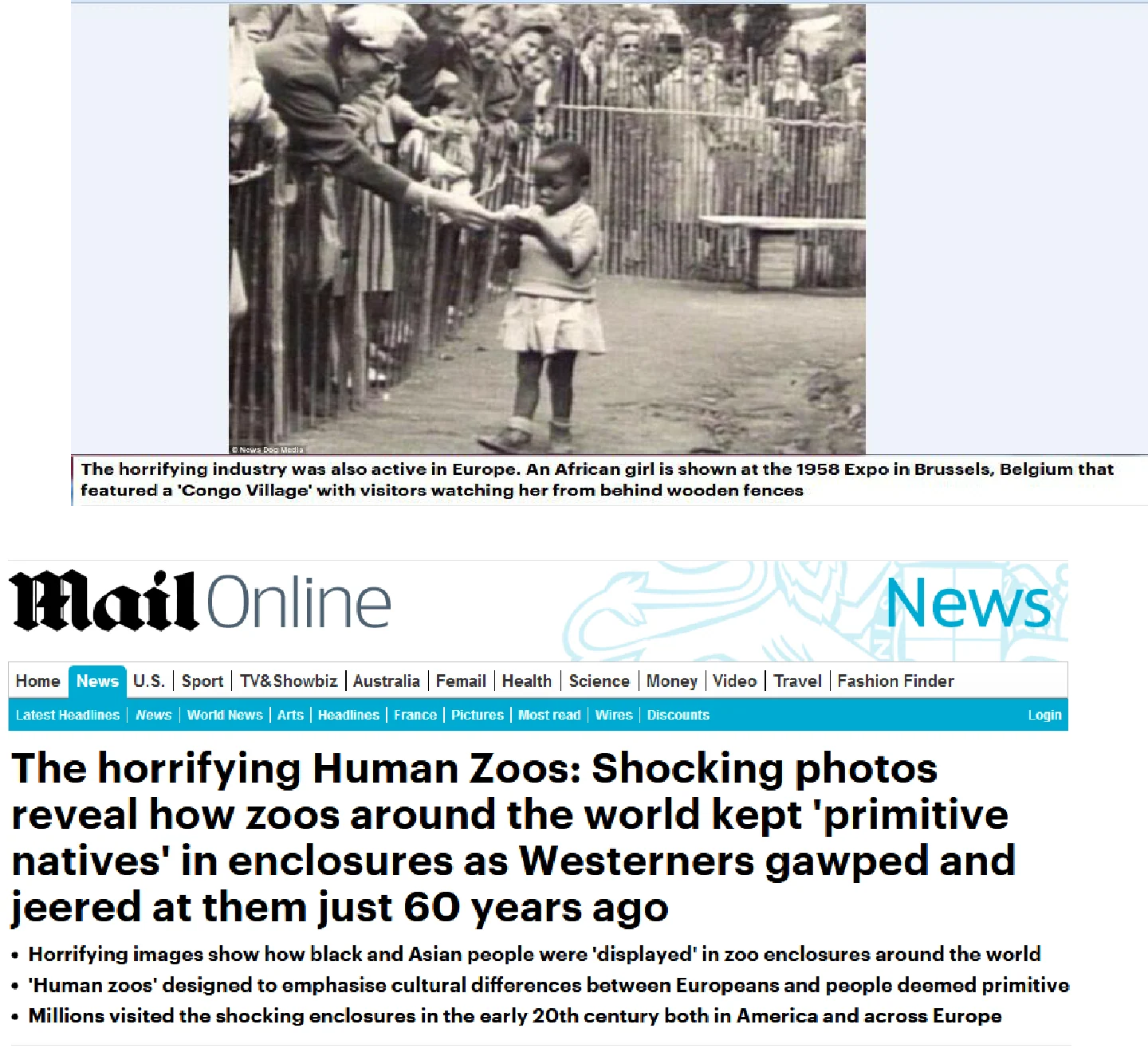
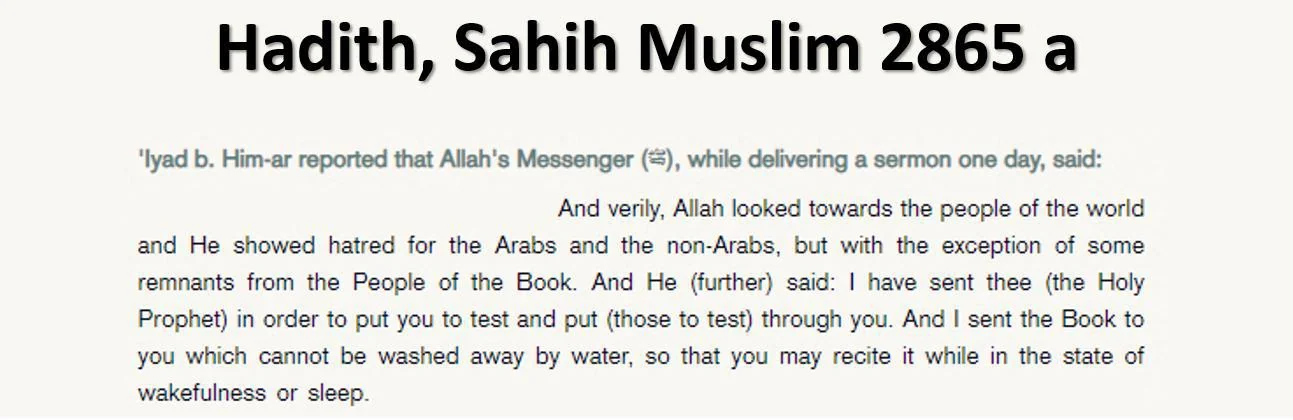
These human zoos were a literal application of the materialistic worldview of humans, consistent with the theory of evolution—particularly its notion of the survival of the fittest. Fortunately, the shameful and horrifying legacy of the human zoos and Nazi extermination camps eventually came to an end, thanks to the remnants of Prophethood in the West. As Prophet Muḥammad said: “And verily, Allāh looked towards the people of the world and He showed hatred for the Arabs and the non-Arabs, but with the exception of some remnants from the People of the Book.”2
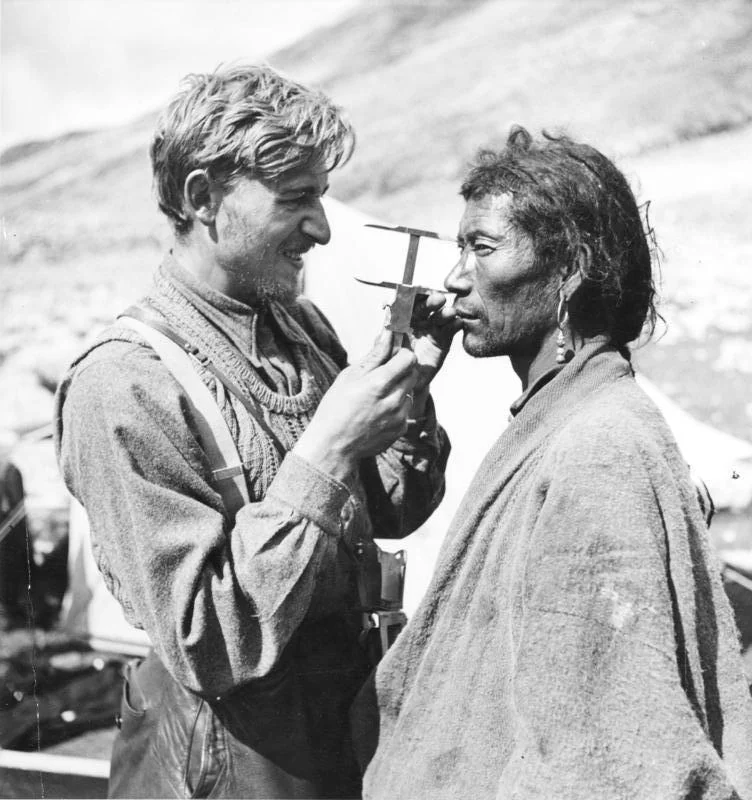
The Holocaust and the discrimination between human beings based on skin color or nose size were halted through the efforts of those who recognized these practices as horrific crimes against humanity—thanks to their untainted ethical values, which can be traced back to the legacy of Prophethood.3
Likewise, the gas chambers at Auschwitz were closed thanks to those who heeded the call of their fiṭrah (human innate disposition). This fiṭrah is the innate constitution of all human beings—a constant force that incessantly prompts them to question their actions, guides them toward right conduct, and steers them away from malevolent conduct. Unsurprisingly, from an atheistic perspective, there is no distinction between the Holocaust and a barbecue, because, in the words of physicist Stephen Hawking, “the human race is just a chemical scum on a moderate-sized planet.”4 In short, understanding the truth about Allāh and Man is possible only through Prophethood. Najīb Maḥfūẓ, who spent much of his life in skepticism, said: “Allāh alone gives values and existence their meanings, and life would be absurd and meaningless without Allāh.”5 The basic principles of ethics lie deep within every human soul, but the pure faculties of intuition and reason can be entangled by carnal desires and the pursuit of hedonistic pleasures. If the desire for pleasure, wealth, and power is not restrained by divine revelation, all vices will inevitably follow. Hence, Prophetic knowledge represents the ultimate truth, for it is entirely grounded in revelation from Allāh, which—unlike human reason—can never err. This is why humans were in constant need of Prophets—a need fulfilled with the finality of Prophethood in Prophet Muḥammad (PBUH), whose message is for all mankind until the end of time.
Notes and References
- 1
Julian Robinson, “The Horrifying Human Zoos: Shocking Photos Reveal how Zoos around the World Kept ‘Primitive Natives’ in Enclosures as Westerners Gawped and Jeered at them just 60 Years ago,” Online Mail, 17 March 2017, https://www.dailymail.co.uk/news/article-4323366/Photos-reveal-horrifying-human-zoos-early-1900s.html.
- 2
Muslim ibn al-Ḥajjāj, Ṣaḥīḥ Muslim, (Bayrūt, Lebanon: Dār al-Kutub al-ʿIlmiyyah, 2020), ḥadīth: 2865a, available at: https://sunnah.com/muslim:2865a.
- 3
Wikipedia Contributors, “Bruno Beger,” Wikipedia: The Free Encyclopedia, last edited 7 Sep. 2023, https://en.wikipedia.org/wiki/Bruno_Beger.
- 4
David Dugan, Campbell Ken and Steve Davis, “Reality on the Rocks: Beyond Our Ken, Documentary,” episode aired on 26 Feb. 1995, Artarmon, Australia: SBS-TV.
- 5
Najīb Maḥfūẓ, My Country Egypt, (Cairo, Egypt: Dār ash-Shurūq, 1997), p.63.