What is the truth about homosexuality, and why do more adults than ever before identify as lesbian, gay, bisexual, or transgender?
The advocates of the homosexual rights movement present homosexuality as normal on the basis of three premises they advance: first, that homosexuality is genetic or innate; second, that it is irreversible; and third, that it is natural because animals engage in same-sex sexual behavior. They place particular emphasis on the third premise—animal homosexuality—recognizing their inability to prove the first two. They argue that homosexual behavior can be observed in animals and is consistent with animal nature, since animal behavior is governed by instinct and nature requires animals to follow their instincts. They further contend that, because human beings are also animals, homosexuality must likewise accord with human nature. Their reasoning may be summarized as follows: if animals do it, then it is natural. This line of argument, however, is unsound, as even basic observation of animal behavior reveals that so-called animal homosexuality constitutes an exception rather than the norm and therefore cannot properly be described as instinct. Various researchers have accounted for such apparently homosexual behavior in animals, attributing these observable deviations from typical animal behavior to factors that extend beyond instinct. For example, what is described as animal homosexuality may arise from conflicting stimuli or confused instincts.1
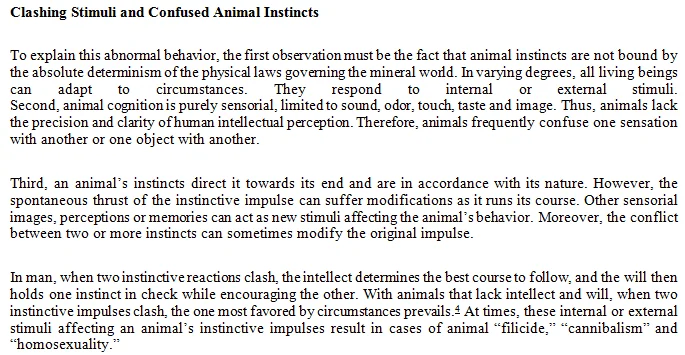
The behaviors described as homosexual among animals may also result from their inability to express their affective states, leading them, so to speak, to borrow the manifestations of the reproductive instinct to express other instincts such as dominance, aggressiveness, fear, gregariousness, and the like.2
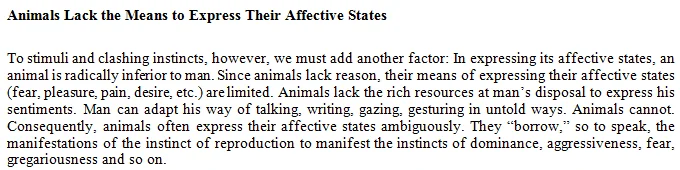
According to Frans B. M. de Waal—a Dutch-American primatologist, behavioral biologist, and ethologist renowned for his research on primate behavior and social intelligence—who spent hundreds of hours observing and filming bonobos, these primates provide a typical example of such “borrowing.”3
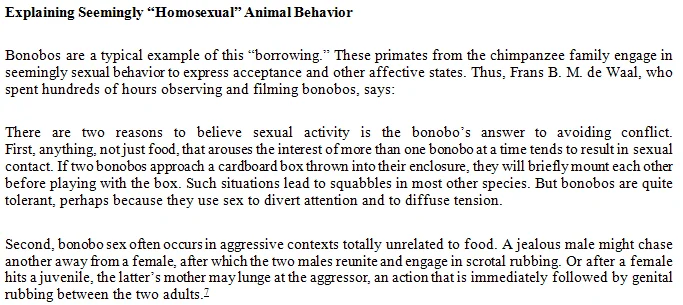
Similar to bonobos, other animals may mount members of the same sex and exhibit seemingly homosexual behavior, though their motivations can differ. For instance, dogs typically do so to assert dominance. The distinguished professor César Ades—an ethologist and expert in animal behavior, formerly a professor at the Institute of Psychology of the University of São Paulo (IPUSP)—explained, “When two males mate, what is present is a demonstration of power, not sex.”4 Jacque Lynn Schultz, Animal Science Director of Special Projects at the American Society for the Prevention of Cruelty to Animals (ASPCA), elaborated further:5
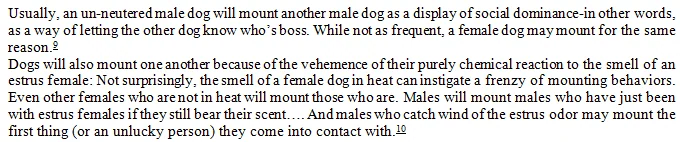
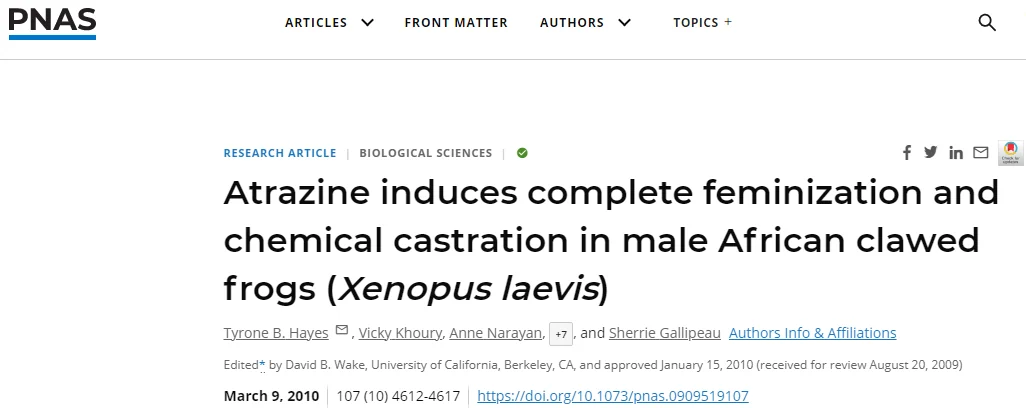
Incidentally, people who keep dogs as pets often see them humping or mounting inanimate objects and pieces of furniture, such as pillows, chairs, sofas, and couches. While one might have excellent taste in furniture, it is unlikely that their dog is sexually attracted to it; the animal is simply confused. Luiz Sérgio Solimeo, currently a research scholar at the American Society for the Defense of Tradition, Family and Property, noted that some animals display seemingly homosexual behavior because they fail to properly recognize the opposite sex. He further explained that in lower species, the differences between the sexes are more subtle and harder to discern, resulting in more frequent instances of such confusion.6 Olfactory dysfunction can contribute to seemingly homosexual behavior in animals. Several studies have shown that exposure to chemical pollutants can directly interfere with animals’ chemoreception. In simple terms, animals typically recognize females by their scent. However, compounds present in pesticides and herbicides can damage their chemoreceptors and impair olfactory function, greatly reducing their ability to detect and respond to sex pheromones—chemical signals released by animals of both sexes to identify one another. Moreover, in 2002, Dr. Tyrone Hayes, an American biologist and professor of integrative biology at the University of California, Berkeley, and his team conducted experiments demonstrating that the widely used herbicide Atrazine “feminized” male frogs at concentrations lower than the concentration allowed in U.S. drinking water. They hypothesized that Atrazine acts as an endocrine-disrupting chemical (EDC), converting testosterone into estrogen in frogs.7
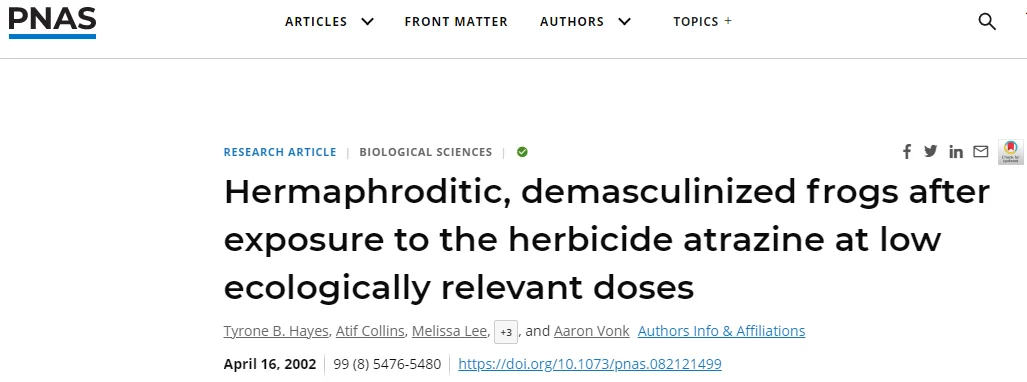
Hayes et al.’s highly cited 2010 study found that “Atrazine-exposed males” were effectively “chemically castrated,” meaning they could not reproduce as biological males or exhibited other “gender abnormalities,” such as decreased testosterone levels, reduced sperm production, or suppressed mating behaviors. Remarkably, ten percent of the population became “Atrazine-induced females” that were “completely feminized” as adults: they reproduced as biological females, mated with control males, and produced viable eggs.8
It is evident from the foregoing that homosexual animals do not exist. Simon LeVay, a British-American neuroscientist affiliated with Harvard Medical School and the Salk Institute for Biological Studies, and who identifies as gay, acknowledged that the evidence points to isolated behaviors rather than to true homosexuality:9

The point is that certain animal behaviors may appear homosexual, but they do not arise from a homosexual instinct inherent in animal nature. Researchers believe that we may never encounter a wild animal that is exclusively homosexual in the way some humans “are.” Dr. Antonio Pardo Caballos, Professor of Bioethics at the University of Navarre, Spain, explains:10

This line of reasoning—that if animals engage in homosexuality, then it is according to their nature and therefore good for them, and that if it is natural and good for animals it must also be natural and morally acceptable for humans—is unsustainable. Irrational animal behavior cannot serve as a standard for determining what is morally permissible for rational human beings. The determination of what is morally good for humans falls within the domain of ethics, not zoology or biology. In other words, projecting animal behavior onto humans is inappropriate, and the animal kingdom provides no blueprint for human morality. Human beings are defined not by what they share with animals, but by what sets them apart, with rationality being the defining characteristic that makes human nature unique and fundamentally distinct from that of animals. If the presence of homosexuality in animals were to justify it as natural for humans, would the documented occurrence of cannibalism, infanticide, torture, and rape among animals likewise render these heinous behaviors morally acceptable for humans?11
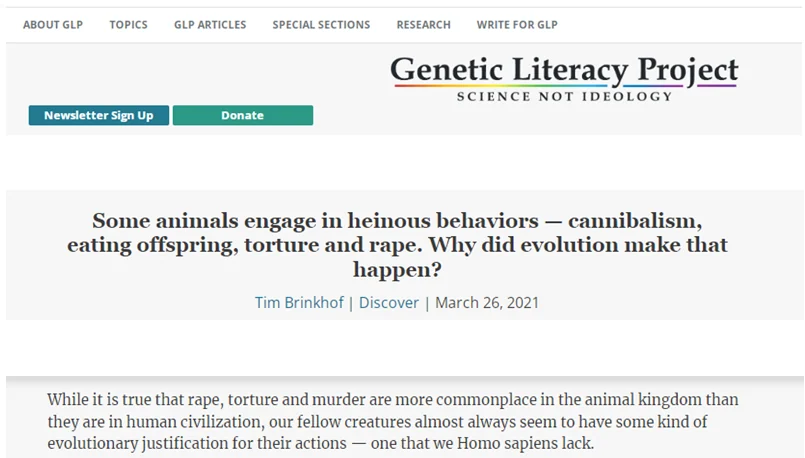
Spiders are notorious for their tendency to kill and consume males before, during, or after mating.12

Offspring cannibalism is commonly observed across the animal kingdom.13

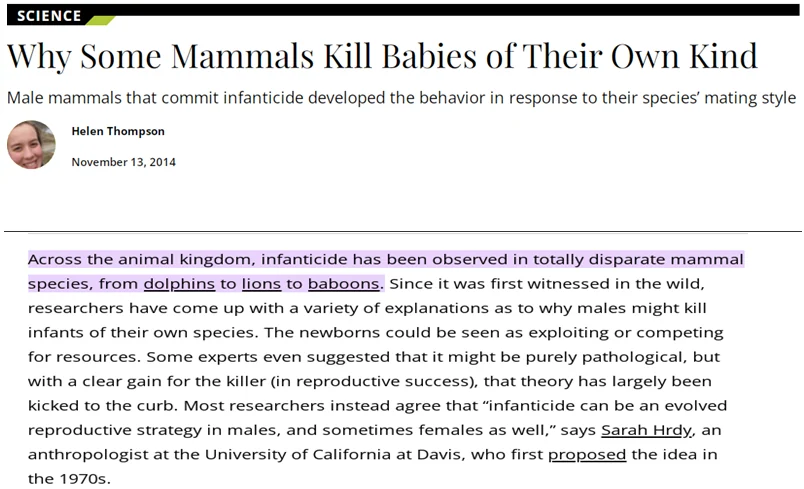
Hence, infanticide and cannibalism have been observed in animals. But can this serve as a justification for infanticide or cannibalism in human societies? Could a father who kills his child argue to a judge that his criminal action is natural and not immoral because animals also kill and even consume their offspring? Any rational judge would immediately commit such a criminal to a mental institution, as no reasonable person would use such a weak excuse for a heinous act. Paul L. Vasey, Professor and Board of Governor’s Research Chair in the Department of Psychology at the University of Lethbridge, who conducts cross-species and cross-cultural research on sexuality, sex, and gender differences, is very supportive of interpreting animal behavior through a homosexual lens. Nonetheless, he cautions:14

Hence, the argument that homosexuality is natural in animals and therefore should be accepted in humans is unsound, since a behavior is not necessarily moral simply because it is zoologically “natural,” and the nature of human beings is not identical to that of other species. Alan Shlemon, author of The Ambassador’s Guide to Understanding Homosexuality, wrote:15
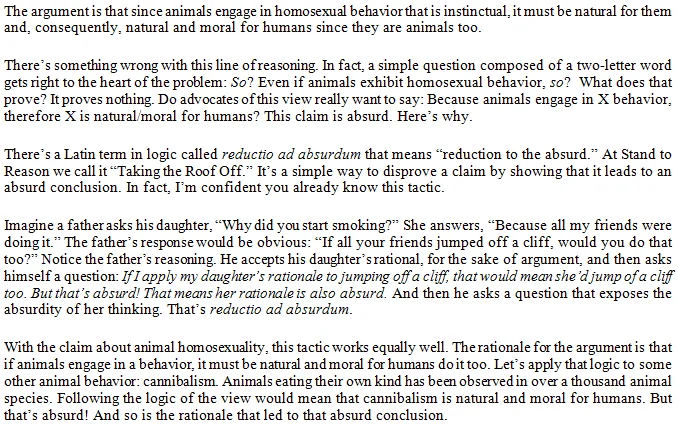
The point is that animals engage in a wide range of primitive, violent, and selfish behaviors that humans universally deem immoral. Therefore, it is both absurd and misguided to derive moral guidance from the animal kingdom because although humans share many traits with animals, they are not merely animals. Humans are rational beings endowed with free will and the capacity for a rich spiritual and intellectual life. To reduce human behavior and relationships to instincts, stimuli, and urges is to overlook a fundamental aspect of human nature. While it is appropriate for animals to act according to their instincts, humans are not praised for the same acts. Instead, they are often punished, as they possess both the capacity and the responsibility to exercise principled self-restraint when instinct tempts them to act like animals. Moreover, as previously noted, homosexual behavior in animals is not necessarily sexual in nature. Such behavior is also rare, having been documented in approximately 1,500 species, with detailed descriptions for about 500 of them, whereas estimates of the total number of animal species on Earth range from 3 to 30 million, with a recent estimation of 7.8 million species described by scientists as the most accurate to date.
It is worth noting that those who advocate homosexuality are inconsistent for the following reason: they argue that if homosexual behavior occurs in animals, then it is natural and therefore the rights of homosexual individuals should be protected; yet polygamy remains illegal in many Western nations, despite the fact that it is observed in numerous animal species. According to an article published in Live Science, bonobos, jacanas, and hyenas are among the polygamous animals that disregard conventional rules when it comes to mating and reproduction.16

Jeanna Bryner, Editor-in-Chief of Live Science, wrote:17

Some scientists view monogamy in humans as a societal structure rather than a natural state. Jeanna Bryner quoted Pepper Schwartz, a professor of sociology at the University of Washington in Seattle, who states: “I don’t think we are a monogamous animal…Monogamy is invented for order and investment – but not necessarily because it is “natural.’”18 Moreover, scientists assert that humans are naturally inclined toward polygamy, and evidence of this is embedded in our genes—we carry a biological imprint of polygamous tendencies.19
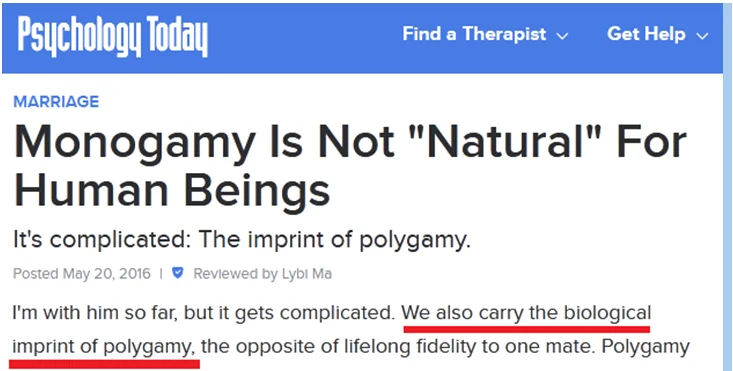
In his Out of Eden: The Surprising Consequences of Polygamy, David P. Barash, an evolutionary biologist and professor emeritus of psychology at the University of Washington, wrote: “the biological reality is that we weren’t made for monogamy.’’20 The question arises: if humans carry the biological imprint of polygamy, why do modern societies—particularly in the Western world—endorse monogamy, which, in scientists’ terms, runs counter to humans’ natural inclination for polygamy? The attempt by advocates of the homosexual rights movement to claim that homosexuality aligns with human nature by citing “animal homosexuality” is not grounded in science but in whims and ideological preference; otherwise, Western societies would not have established monogamy as the norm, even though our purported ancestors practiced polygamy. Insisting that homosexuality has a genetic and neurological basis is a central strategy of the LGBTQI+ advocacy movement, whose evident goal is to normalize homosexuality in societies. Their reasoning is as follows: if the homosexual orientation is biologically determined, then discrimination against homosexual individuals constitutes an infringement of their fundamental rights and liberties, as well as an act of bigotry. These activists advance such absurd claims to persuade societies that homosexuality is normal and that people who are homosexual are born that way. Western homosexual advocacy groups exert considerable pressure on governments, which explains why the LGBTQI+ movement can be considered one of the most successful social movements in modern history. Within just fifty to sixty years, Western societies have experienced a dramatic cultural shift, moving from regarding homosexual behavior as a reprehensible taboo to legalizing same-sex marriage. Notably, LGBTQI+ activists were instrumental in removing homosexuality from the Diagnostic and Statistical Manual of Mental Disorders (DSM). In 1973, they successfully persuaded members of the American Psychiatric Association (APA)—the world’s largest psychiatric organization—to remove homosexuality from the official classification of mental disorders in the DSM.21

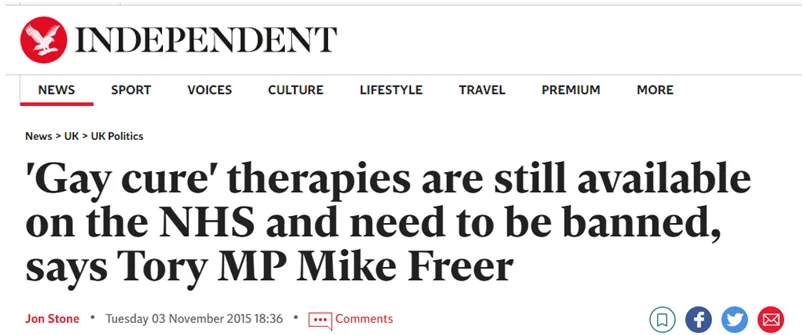
Homosexuality activists not only demanded that the American Psychiatric Association remove its classification of homosexuality as a mental disorder, but they also call for a complete ban on LGBTQI+ conversion therapies, also known as reparative therapies.22
The American Psychological Association expresses strong support for fostering “a society that accepts young people in their gender and sexual development, rather than rejecting them.”23

Psychologist Joseph Nicolosi interviewed Dr. Nicholas Cummings, a former president of the American Psychological Association who led the movement to declassify homosexuality as a mental disorder and who describes himself as a staunch advocate of homosexual rights. Cummings told Nicolosi that it is absurd to claim that homosexual individuals cannot change. He stated plainly that, contrary to the current position of the American Psychological Association, leaving the homosexual lifestyle is possible if the patient is determined to do so. He further asserted that, in his professional experience, 20 percent of the homosexual individuals who sought his assistance to change were able to do so.24

Cummings stated that an APA committee tasked with examining the possibility of successful reparative therapy for homosexuality would not permit supporters of such therapy to serve on the committee, and that political correctness and homosexual ideology—not science—govern the organization (i.e., the American Psychological Association).25

In a second interview, Cummings described his resolution to remove homosexuality from the Diagnostic and Statistical Manual of Mental Disorders (DSM), emphasizing that no unbiased, open research on homosexuality was ever conducted:26

Cummings added:27

He then described a shift in direction within the APA, which he attributed to the organization’s having been captured by the gay rights movement:28

Cummings explained that the APA changed so profoundly within twenty years because the same group of leftist officers rotated through leadership positions within the organization:29

This explains why the right to disagree is not allowed within the APA leadership and why only one perspective on homosexuality is presented within the organization.
The popular argument often advanced by LGBTQI+ activists is that scientific evidence demonstrates homosexuality is genetically inherited and therefore a permanent condition. From this premise, they contend that homosexuality should be recognized as a natural variant within the broader spectrum of gender identities and sexual orientations. They pose the familiar question: if homosexuality is not a choice but the result of uncontrollable natural forces, can it be considered immoral? On 29 August 2019, Nature—one of the world’s most widely read and prestigious academic journals—published an article reporting the findings of a study involving nearly half a million individuals, effectively closing the debate over the existence of a so-called “gay gene.” This large-scale study, described by its researchers as the largest genetic investigation into same-sex behavior ever conducted—approximately 100 times larger than any previous study on the topic—concluded that the “gay gene” is entirely a myth.30
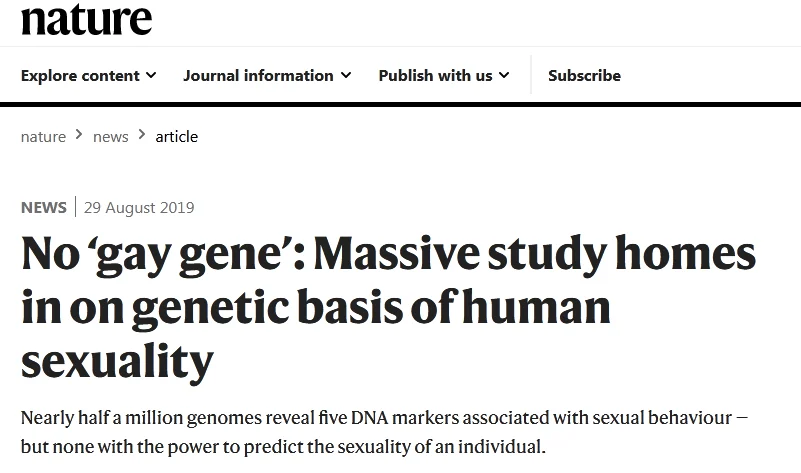
The findings of this study—whose results are far more statistically reliable than those of earlier, smaller studies—must have been the most profound shock to homosexuals throughout their history. Scientists examined nearly half a million individuals (approximately 470,000 volunteers from the United Kingdom and the United States) and were unable to identify a single gene associated with same-sex sexual behavior. They concluded that no single “gay gene” exists that determines a person’s sexual behavior. Furthermore, eight major studies of identical twins conducted in Australia, the U.S., and Scandinavia over the past two decades reached the same conclusion: homosexuality is not genetic—gays are not born that way.31
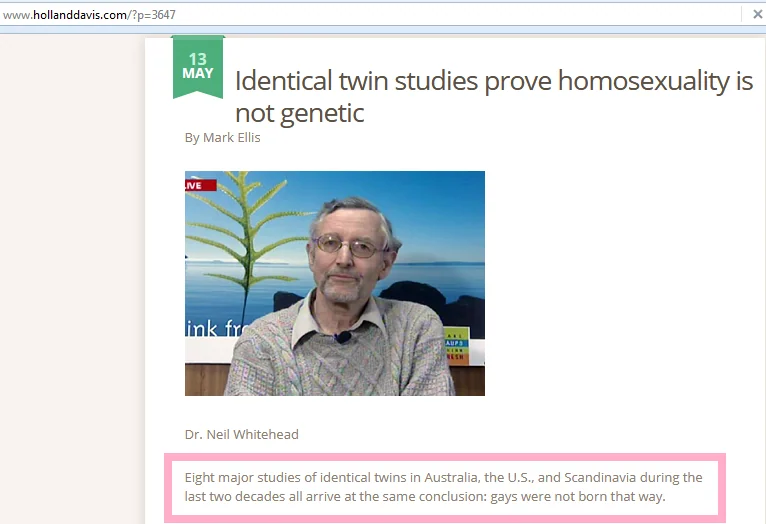
Dr. Neil Whitehead, who worked for the New Zealand government as a scientific researcher for 24 years, explains that identical twins share the same DNA and develop under similar prenatal conditions. Therefore, if homosexuality were caused by genetics or prenatal factors, when one twin is gay, the co-twin should also be gay. Dr. Whitehead notes: “Because they have identical DNA, it ought to be 100%.”32 However, the studies reveal a different finding: “If an identical twin has same-sex attraction the chances the co-twin has it are only about 11% for men and 14% for women.’’33 Identical twins are genetically identical, and therefore homosexuality cannot be determined solely by genetics. As Dr. Whitehead put it, “No-one is born gay. The predominant things that create homosexuality in one identical twin and not in the other have to be post-birth factors.”34 Hence, Dr. Whitehead believes that same-sex attraction arises from “non-shared factors”—that is, experiences affecting one twin but not the other, or a personal response to an event experienced by only one of the twins. Consequently, the widely held notion that a single human gene determines homosexual orientation remains a myth. Nevertheless, for the sake of argument, let us assume that homosexuality is genetic—so hard-wired in one’s identity that it cannot be changed. This line of reasoning is flawed because it overextends the logic: the same argument could be invoked to justify numerous human behaviors considered immoral, such as pedophilia. Indeed, recent studies have provided evidence that genetic influences may contribute to shaping sexual interest in children and adolescents among adult men.35
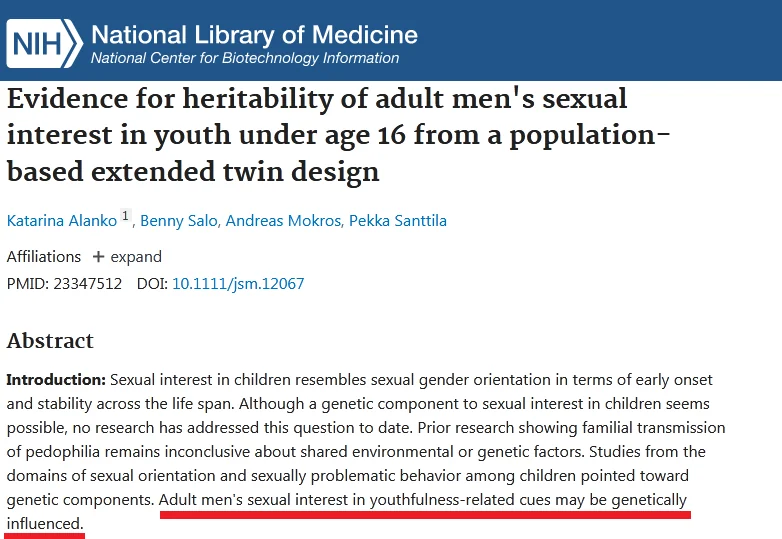
If we follow the argument advanced by LGBTQI+ activists—that sexual desires are derived from our genes and that individuals therefore cannot make active choices about whom they are sexually attracted to—then, by the same reasoning, if there is a gene that causes pedophilia, those who possess it would not be morally culpable for their actions. In that case, it would be impossible to condemn them for being pedophiles, because if such a tendency were encoded within them, they would have no control over it. Likewise, there is a growing body of scientific evidence suggesting that alcoholism has a genetic component. Researchers have identified several genes that, alongside environmental influences, contribute to the risk of alcohol abuse or dependence.36

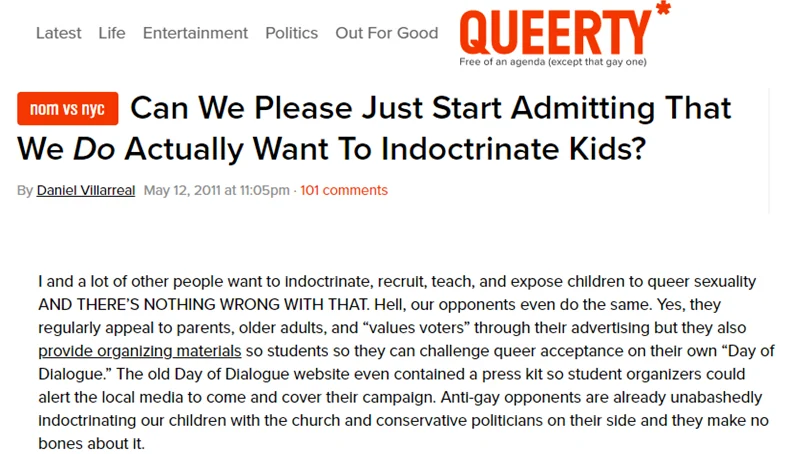
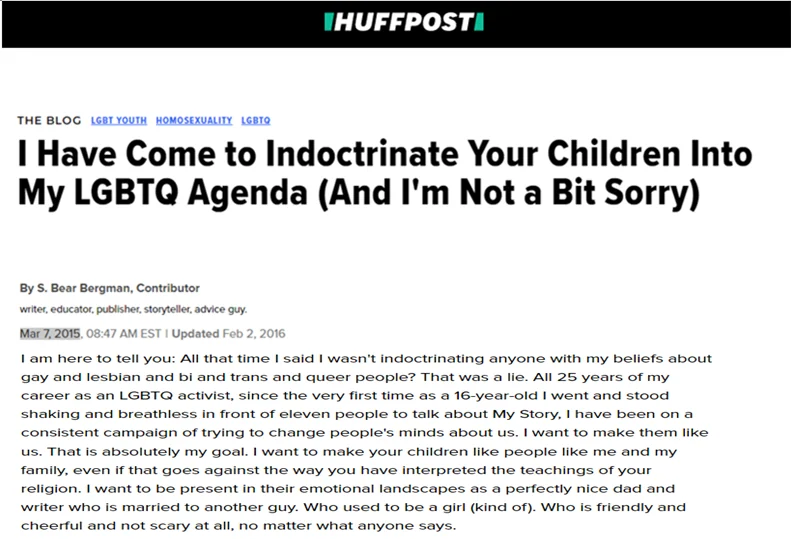
If genetic factors play a significant role in alcohol consumption, does this mean that intoxication can serve as an excuse for criminal conduct? In other words, should courts refrain from punishing individuals who commit violent crimes while under the influence of alcohol? Likewise, does it follow that alcohol use disorder should not be treated? It must be understood that although research indicates that alcoholism has a genetic component—since numerous genes and genetic variations influence a person’s risk of developing alcohol use disorder—scientists emphasize that these genes confer risk, not destiny. In other words, while family members of individuals with alcoholism may have higher odds of developing dependency, this does not mean they will inevitably abuse alcohol. Researchers further stress that there is no single “alcohol gene” responsible for the disorder. Rather, alcohol consumption and dependency arise from a complex interplay of genetic predispositions and environmental influences. Indeed, genes account for roughly half of an individual’s overall risk, while environmental factors—such as upbringing, social context, and coping mechanisms (that is, the ability to handle situations that might trigger dependency)—play an equally significant role. As a Muslim, I have never had any desire for alcohol throughout my life, largely because alcohol consumption is uncommon in our culture. Even if I were genetically predisposed to alcoholism, I have never experienced any urge or craving for alcohol, and it has never concerned me. However, if alcohol were normalized in my environment—if it became widely available and socially accepted in my city, or if thousands of people marched near my home defending the “rights” of alcoholics with slogans such as “People with alcohol use disorder should not be judged or stopped from drinking because alcohol addiction is in their genes and is not their choice!”—this could trigger cravings in me. The interplay between my genes, which account for roughly half of the risk for alcoholism, and environmental influences on alcohol use—such as societal acceptance, availability, advertising and marketing, and public policies and their enforcement—could lead me to develop an alcohol use disorder. In that case, as a Muslim, I would have to actively resist the cravings and temptation to drink. The point is that many studies have established that—like many other human behaviors—sexuality does not have a strong genetic basis. In other words, same-sex attraction is influenced more by environmental factors, such as exposure to homosexual pornography, the normalization of homosexuality, and encouragement to “experiment with gender presentation and the gender spectrum” by corporations, the media, and schools. As a result, individuals who previously identified as heterosexual may begin to experience same-sex urges, which explains why some heterosexual people engage in same-sex sexual behavior. Even more concerning, children are being exposed to homosexual content that can be confusing for them. They encounter this content not only in classrooms but also in their own living rooms, through screens and digital media. They may not fully understand what they are seeing and hearing, yet they are still influenced by these messages and may begin to act on them. LGBTQI+ activists are promoting an agenda to indoctrinate children with their leftist gender ideology. Indeed, stealing children’s innocence is a horrific crime, yet LGBTQI+ activists maintain that there is nothing wrong with it.37
Media—including television, radio, music, video games, and the Internet—exerts a profound influence on children. When children watch content on TV or online, they interpret it differently from adults, and there is a high likelihood that they will absorb and often imitate what they watch. According to a recent survey conducted by UNICEF and AEM, 57% of the children surveyed reported imitating their media heroes—adopting similar hairstyles, wearing similar clothes, or copying their actions. In some cases, media can even contribute to copycat suicide among children who do not yet fully understand the concept of death.38

Homosexual rights activists recognize that indoctrinating impressionable school children is an easier way to change public attitudes toward homosexuality than persuading adults. However, discussing gender identity or sexual orientation with children is a crime. For this reason, several Western countries once had laws prohibiting the promotion of homosexuality to minors. One notable example is Section 28 of the Local Government Act 1988 in the UK—a legislative provision introduced by Margaret Thatcher’s Conservative government that forbade local authorities and schools from promoting homosexuality.39

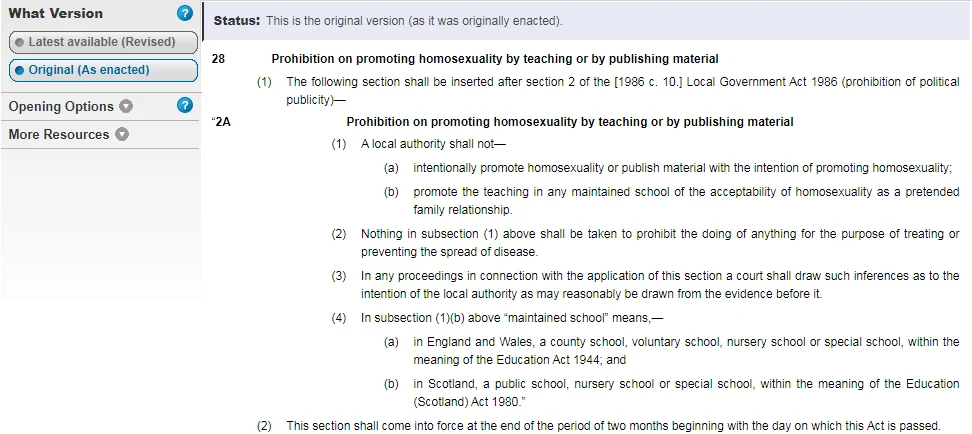
Such laws protected children from predatory homosexual advocates seeking to indoctrinate vulnerable young people into homosexuality. Section 28 birthed the modern gay rights movement in British history. LGBTQI+ activists protested against it until it was repealed in Scotland in 2000 and in the rest of the UK three years later. In 2009, David Cameron, who had previously supported the law, apologized for its introduction, calling it a “mistake” that was “offensive to gay people.”
Homosexuality is one of the major sins according to the Law of the Lord of the worlds, as it goes against the natural order. In other words, homosexual behavior contradicts the innate disposition upon which Allāh has created humankind. Beyond being religiously prohibited, it is also morally wrong and socially deviant. Furthermore, homosexuality has serious long-term consequences for both individuals and society as a whole. While a culture may decide to legitimize a particular behavior, it cannot escape the consequences of that decision. Indeed, homosexuality is harmful from the perspectives of individual health, public health, and social order. The spread of homosexuality has caused human diseases that no one can deny result from it. It would be no exaggeration to say that homosexuality is a threat to human existence. Did you know that male-to-male sexual contact remains the primary transmission route of HIV/AIDS? For example, although gay and bisexual males represent an estimated 2% of the United States population, they account for roughly three-fourths of all new HIV infections.40 AIDS was originally called Gay-Related Immune Deficiency (GRID)because public health scientists observed that it was primarily diagnosed in men who have sex with men. As a result, AIDS was considered a “gay disease” and was even referred to as the “gay plague” for many years.41
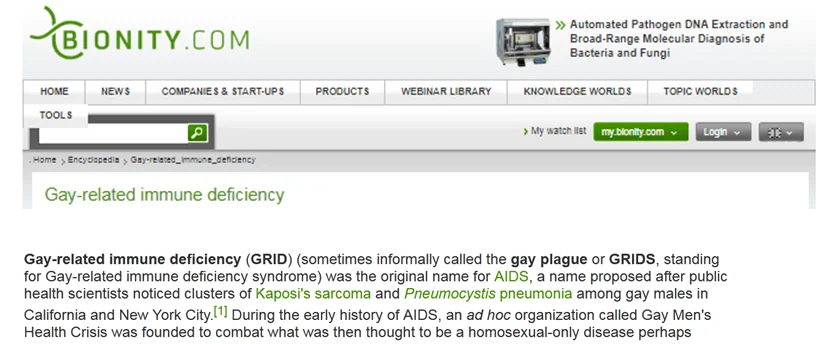
Did you know that available data suggest that, in 2018, the risk of HIV acquisition among gay men and other men who have sex with men was 22 times higher than it was among all adult men?42

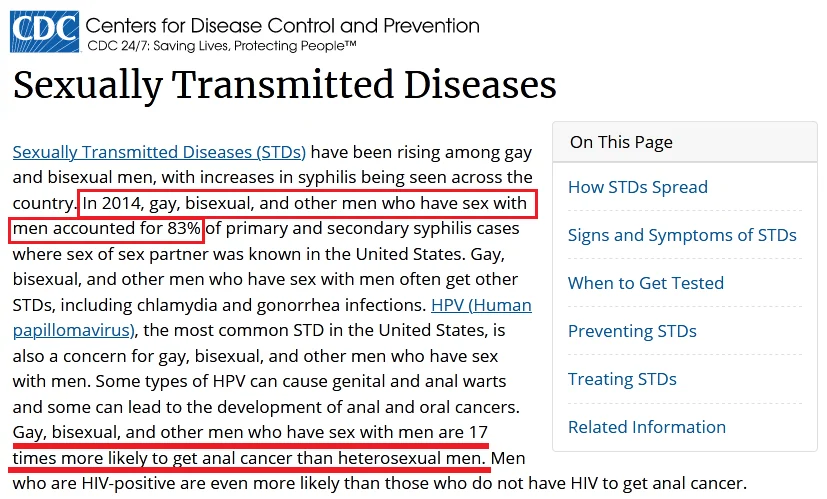
Did you know that the Centers for Disease Control and Prevention (CDC)—the national public health agency of the United States—reported that, in 2014, 83% of primary and secondary syphilis cases occurred among gay, bisexual, and other men who have sex with men? Did you also know that gay and bisexual men, along with other men who have sex with men, are 17 times more likely to develop anal cancer than heterosexual men?43

The catastrophic outcomes of homosexuality also include the breakdown of the family unity—the institution essential to the well-being of children and society. Unquestionably, homosexuality in all its forms and manifestations is profoundly evil, both antihuman and anti-Allāh, and has the potential to ruin civilization.
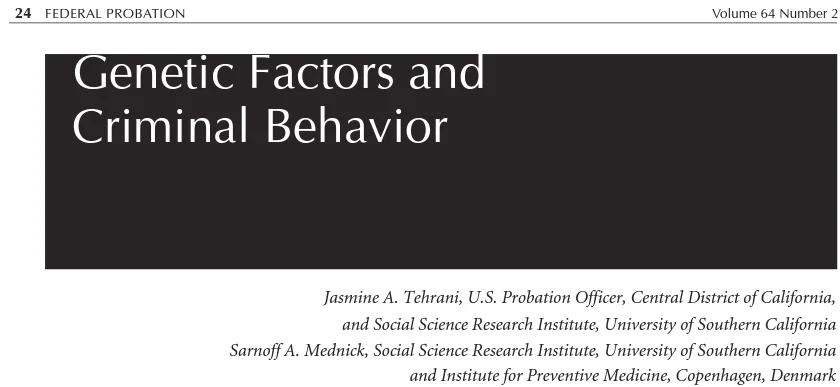
I have a question for homosexual rights activists who reject the idea that homosexuality is a choice and insist that individuals are “born this way” due to the existence of the so-called “gay gene(s).” Emerging evidence suggests that some individuals may be genetically predisposed from birth to engage in violent or other criminal behaviors, and the notion of a “crime gene” is increasingly recognized among certain researchers.44

Following the logic of homosexual rights activists, one could argue that some individuals have a genetic predisposition for criminal behavior—that they are “born to be criminals” and that “their genes make them commit crimes.” This raises an important question: if criminal behavior is influenced by genetics, should it be excused or punished? Are there any courts in the world that accept the so-called “DNA defense” and absolve an individual of responsibility on the grounds that their genes predisposed them to commit a crime? Evidence from twin, family, and adoption studies, as well as laboratory experiments, indicates that both genes and environment contribute to an individual’s criminality. Researchers emphasize that while a genetic predisposition may increase the likelihood of criminal behavior, it does not determine it; rather, exposure to certain environments can significantly influence whether such a predisposition manifests. In other words, criminal behavior is more often the result of an interaction between genes and environment. This comparison highlights the absurdity of the “gay gene” argument: as previously noted, there is no single gene for homosexuality, and although genetics may seem to play a role in sexual orientation and same-sex behavior, this role is small, complex, and far from deterministic. Consequently, an individual’s sexual behavior cannot be determined by their genes. Researchers in behavioral genetics are working to identify specific genes or sets of genes associated with behavioral traits—such as aspects of personality, sexual orientation, or propensity for aggression and other antisocial behaviors—and to understand the complex interplay between genes and environment. Evidence suggests that genetic predisposition is not destiny; an individual’s DNA does not determine their fate. While genes dictate which proteins are produced, they do not control the specific behavioral or personality traits an individual exhibits.45

From the perspective of medicine, reason, and Sharīʿah, genetic traits associated with violent and antisocial behavior do not call into question an affected individual’s responsibility for acts of criminal violence. In other words, genetic explanations for a defendant’s behavior make no difference to the punishment of criminal conduct because genetic factors are not deterministic and are largely irrelevant to personal responsibility. Legal systems regard individuals as autonomous agents capable of exercising choice and accountable for their actions. The concepts of human agency, free will, and choice are therefore essential in explaining problematic behavior and in ensuring that offenders can be held responsible despite evidence of environmental and genetic influences. In short, genes do not make people good or evil. There is no specific gene that predestines an individual to become a criminal, a drug addict, a homosexual, or an imām (religious leader). It is well established that genes are the fundamental physical and functional units of heredity; composed of DNA—four nitrogenous bases—they function as instructions for producing molecules known as proteins.
There is no causal association between genes and human behavior; our actions do not originate in our genetic makeup but result largely from environmental influences, particularly upbringing and personal will. Epigenetics, an emerging field of scientific research, demonstrates how behavior and environmental factors can bring about changes that affect the way genes function—that is, how they are expressed. Studies of human gene expression indicate that when an individual chooses to adopt certain lifestyle changes, they can influence whether particular genes are activated or deactivated. In other words, behavior can shape the way genes are turned “on” or “off,” rather than the reverse. Unlike genetic changes, epigenetic changes are reversible and do not alter the DNA sequence itself, though they can affect how the body interprets that sequence. The central point is that, contrary to what homosexual rights activists assert, the genes a child inherits from their parents do not set their future development in stone.46

Hence, the idea of blaming genes for homosexuality is downright ludicrous. As previously noted, even if genetics are linked to same-sex behavior—if, that is, there are a handful of genetic variants associated with it—there is no single “gay gene” that determines a person’s sexual orientation. Quite simply, correlation does not imply causation. In short, genetic makeup may be a factor, but it does not determine sexual behavior. Indeed, the overt promotion of homosexuality in mass and virtual media—which no longer attempts to conceal its “not-at-all-secret gay agenda”—forms part of the environmental influences that could potentially activate these purported “gay genes.” In other words, neither genes nor upbringing and environment can be held responsible for human actions because they do not control behavior or dictate whether an individual makes moral or immoral choices. The truth is that the inclinations of the human self are what shape behavior. Accordingly, homosexuality—like sexual activity outside of marriage and various forms of addiction—is the result of individuals following their own whims and desires. A genetic predisposition toward a particular behavior does not absolve an individual of responsibility for their actions. Humans are accountable precisely because they possess free will and the freedom to choose. Were it otherwise, the entire concept of human religious accountability would be unjust. Alija Ali Izetbegović [may Allāh have mercy on him] elaborated on this subject in his book Islam between East and West.47
The increasingly normalized homosexuality in the West today is not merely an immoral, unlawful, sinful, and destructive sexual orientation—one that contravenes nature and violates what Allāh has ordained in the created order. Rather, it is a moral poison that destroys the soul as poison destroys the body, yet homosexuals insist that there is nothing wrong with it and regard it simply as an alternative lifestyle. In their view, their sexual orientation is a moral alternative because, as they claim, they “were born that way,” and it is an intrinsic part of who they are. In other words, homosexuality is not simply something they do, but an element of their identity, which they attribute to God, genetics, or early childhood influences. They even assert that being homosexual is a different but normal and natural way of being for them, comparable to the inherent differences among racial or ethnic groups such as African-Americans, Hispanics, and Asians. On this basis, they argue that, because they are “made differently,” they should enjoy the same civil rights as other minority groups. Consequently, LGBTQI+ activists frame the issue of homosexuality primarily as a matter of civil rights rather than a moral question.
Someone might say, “Homosexuality is not normalized in my culture, but I have homosexual urges. Thus, your theory—that the primary reason we are seeing a rise in such unnatural inclinations is the normalization of homosexuality and the push for homosexual rights around us—is wrong. I feel attracted to members of the same sex, and I cannot help it; this is just the way I am.” It is possible that some individuals may experience urges that are abnormal. However, simply having such urges does not justify acting upon them. There is a common tendency to excuse homosexual desires on the grounds that they are beyond one’s control. In Islam, the question of whether unnatural urges arise from nature or nurture is ultimately irrelevant. Muslims believe that the fiṭrah (innate disposition) with which Allāh created human beings is such that, in terms of sexuality, opposites attract, and that Allāh did not create anyone to be homosexual. Nonetheless, it is possible for a person’s fiṭrah to be corrupted—either by themselves or by external factors—and, for some, such a change may indeed be beyond their control. Yet, while an individual may experience sinful homosexual inclinations or desires, this does not render them permissible. That is, having homosexual urges does not justify acting upon them; rather, experiencing these urges and striving to resist them is part of the test that Allāh has ordained for those who feel attracted to the same sex. Allāh says: {Allāh does not require of any soul more than what it can afford} (Qurʾān 2:286). Humans are tested in different ways, and merely experiencing an urge is not sufficient justification to act upon it. Indisputably, it would be unreasonable and wholly inadequate to open the door to legitimizing every urge simply because it exists. For example, heterosexual men may feel attraction to women, but this does not justify pursuing every woman to whom they are drawn. Similarly, alcoholics may experience certain destructive tendencies, but they are not compelled to act upon them; with Allāh’s help, they can overcome these tendencies and lead a life that is pleasing to Him. The same principle applies to homosexuals and all who experience unnatural urges: they must strive to resist them, and without doubt, Allāh will reward them for their efforts. In essence, an urge in itself is not sinful; it is merely a desire, and desires lie beyond human control, meaning individuals are not held accountable for having them. What becomes problematic is allowing such urges to persist without striving to regulate them. Sin arises when one acts on these urges, for while humans do not choose their urges, they do choose whether to act upon them. The Prophet (PBUH) said: “Accursed is he who does what Lot’s people did (i.e., engaged in homosexuality).” 48 The Prophet (PBUH) also said: “If you find anyone doing as Lot’s people did, kill the one who does it and the one to whom it is done.”49 Allāh will be wrathful toward those who commit such a loathsome act: {You lust after men instead of women! You are certainly transgressors} (Qurʾān 7:81). Allāh punished the people of Sodom and Gomorrah in an extremely severe manner: {And We turned the cities ˹of Sodom and Gomorrah˺ upside down and rained upon them stones of baked clay} (Qurʾān 15:74). As long as same-sex desire remains in the realm of feeling, the individual will not be held accountable for it on the Day of Judgment; however, manifesting this desire through physical action constitutes one of the major sins. Therefore, those who experience homosexual urges should strive to resist them and avoid acting upon them.
It is important for such individuals to seek counseling from God-conscious specialists who understand their situation and can provide guidance tailored to their needs. As noted earlier, homosexual orientation is not as permanent as it is often portrayed. Sexual orientation change therapy has demonstrated effectiveness for individuals with unwanted same-sex attractions. The National Association for Research and Therapy of Homosexuality (NARTH) conducted a landmark survey and analysis of 125 years of scientific studies and clinical experience addressing homosexuality. This document, prepared by members of NARTH’s Scientific Advisory Committee, was developed in response to statements and resolutions by the American Psychological Association (APA) that were inaccurate, unscientific, and in direct violation of APA’s own “Leona Tyler Principle.”50 The specialists aimed to inform both the scientific and lay communities of the substantial body of research leading to a singular conclusion: homosexuality is not innate, immutable, nor without significant risks to medical, psychological, and relational health. Their report presents a historical review spanning 125 years of clinical and research literature, including both older studies of less methodological sophistication and more recent, rigorous investigations. While acknowledging the limitations of earlier studies, these were included because they largely met the research standards of their time and their conclusions are supported by contemporary, methodologically sound research. Their report, titled What Research Shows, draws three major conclusions: (1) individuals with unwanted same-sex attractions can often be successfully treated; (2) undertaking such therapy does not pose undue risk to patients; and (3) as a group, homosexuals experience significantly higher levels of mental and physical health problems compared to heterosexuals.51 Dr. Neil E. Whitehead and his wife, Briar Whitehead, who researched homosexuality for thirty years, addressed these same conclusions extensively in their book My Genes Made Me Do It! A scientific look at Sexual Orientation—one of the most comprehensive and accessible books currently available in the popular market on the scientific research on homosexuality. Their work provided an objective review of more than 10,000 scientific research papers and publications representing all sides of the debate. The authors demonstrated, in clear and straightforward terms, that homosexuality cannot be biologically innate or fixed. They argued in favor of the only other possible explanation: that sexual orientation is a complex individual response shaped by familial, peer, social, and cultural environments. In fact, they estimated a roughly 10%/90% nature/nurture effect in homosexuality, emphasizing that any genetic influence is very indirect. Consequently, they concluded that homosexual orientation is neither biologically predetermined nor immutable, and that a shift toward heterosexuality frequently occurs naturally, without the need for therapeutic intervention. They wrote:52

If there is evidence that sexual orientation can change even outside the context of therapy, then the possibility of therapy-induced change becomes much more plausible.
Homosexuality can be treated through behavioral and psychoanalytic therapies. For example, aversion therapy is a form of behavioral therapy intended to help patients relinquish an undesirable behavior by associating it with an unpleasant experience. It involves repeatedly pairing the undesirable behavior with discomfort. Thus, a person undergoing aversion therapy to eliminate homosexual behavior may be instructed to think about the behavior while simultaneously being exposed to something unpleasant, such as a bad taste or a foul odor, or may even receive a mild electric shock. The aim of this conditioning process is to create an association between the stimulus and uncomfortable sensations. Once such sensations become linked to the undesirable behavior, the expectation is that the behavior will gradually decrease in frequency and eventually cease altogether. Likewise, behavior modification therapy can be applied to individuals struggling with same-sex attraction. It is a long-term process aimed at altering patterns of human behavior through various motivational techniques, primarily the use of consequences (negative reinforcement) and rewards (positive reinforcement). Through both positive and negative reinforcement, the ultimate objective is to replace objectionable, problematic, or undesirable behaviors with more positive and desirable ones.Furthermore, individuals experiencing same-sex attraction may benefit from psychoanalytic therapy, which seeks to examine how the unconscious mind shapes a person’s thoughts, feelings, and behaviors, and in particular how past experiences—often rooted in childhood—may contribute to present inclinations and actions. Counselors may also assist such individuals in developing a clearer understanding of masculinity and femininity as well as in reflecting on what it means to live as an adult man or woman. Ultimately, radical discipleship, the adoption of a values-centered approach to life, and seeking guidance from a God-conscious therapist who holds a redemptive view of homosexuality are key elements in overcoming same-sex attraction
It is noteworthy that homosexuals who are determined to meet the challenge of resisting same-sex attraction should let go of the misconception that they are fundamentally different from others, or that no one truly understands them. They must recognize that acting on their urges is not inevitable. While it is true that urges can be difficult, and perhaps even seem impossible, to control, the same cannot be said for actions. Those committed to recovery can exercise self-control and act according to their will no matter how strong their urges are. Habits can be changed. This process requires determination and discipline, but it is achievable. Individuals should give greater weight to divine teachings and rational conclusions rather than to their urges and feelings. It is crucial for them to understand that beliefs, values, and conscious commitments define who they are—not transient urges and feelings. Above all, their Creator and what He has revealed constitute the deepest truth about them. Believers can overcome Satan at any moment they choose, for he is indeed feeble and can influence a person only to the extent that they allow. Every human being is accountable to their Creator for their actions and fully aware of their true nature. A homosexual may offer countless arguments to convince others of the authenticity of their sexual orientation, yet their conscience knows why they persist in what is perverse and what prevents them from acknowledging its immorality. Corrupt individuals may suppress their conscience by inventing excuses to justify their actions, convincing themselves that they act only according to genuine needs or compulsions. Nevertheless, they remain aware of the wrong they are committing. Thus, when they stand before Allāh in the Hereafter, they will fully know what they have done in this world and for what transgression they are held accountable: {In fact, people will testify against their own souls, despite the excuses they come up with} (Qurʾān 75:14–15). Criminal justice systems around the world are founded on the principle that every individual is free to choose between right and wrong, capable of making decisions, and responsible for the actions they commit. Similarly, the concept of free will is integral to the very foundation of Divine Reckoning—the final judgment in which Allāh will hold all humans accountable for their beliefs and willful actions. Allāh says: {Then as for those who transgressed and preferred the ˹fleeting˺ life of this world, the Hellfire will certainly be ˹their˺ home. And as for those who were in awe of standing before their Lord and restrained themselves from ˹evil˺ desires, Paradise will certainly be ˹their˺ home} (Qurʾān 37–41). Lastly, even if someone has acted upon homosexual urges, this constitutes a major sin, but it does not remove them from the fold of Islam. The door of repentance remains wide open so long as one is not in the throes of death and until the sun rises from the west. One should hasten to make sincere repentance, which entails turning to Allāh, ceasing the sinful sexual behavior, hating it, regretting having committed it, and resolving not to repeat it. Allāh says:{˹They are˺ those who, upon committing an evil deed or wronging themselves, remember Allāh and seek forgiveness and do not knowingly persist in sin—and who forgives sins except Allāh? Their reward is forgiveness from their Lord and Gardens under which rivers flow, staying there forever. How excellent is the reward for those who work ˹righteousness˺!} (Qurʾān 3:135–136). The Prophet (PBUH) said, “When a servant confesses his sin and repents, Allāh forgives him.”53 Sinful urges, including those toward the same sex, exist, but individuals should not act on them—or on any other unlawful sexual urges. Man has been endowed with a natural moral insight through which he discerns good from evil. Eternal success depends on keeping the soul pure from base and despicable traits through discipline over the lower self, whereas doom results from corrupting it by following one’s whims and desires:{And by the soul and ˹the One˺ Who fashioned it, then with ˹the knowledge of˺ right and wrong inspired it! Successful indeed is the one who purifies their soul, and doomed is the one who corrupts it!} (Qurʾān 91:7–10).
There is no human being on earth who is not inclined to sin, yet mere inclinations are not punished unless one acts upon them. The believers are reminded in the Qurʾān that they will not attain Allāh’s promises of success in this world or the Hereafter merely by professing faith verbally. Rather, they must endure trials to demonstrate the truth of their faith. That is, no one will receive Allāh’s special favors in this world or Paradise in the Hereafter solely by declaring faith; believers must undergo hardships for Allāh’s sake, sacrifice what they hold dear for His pleasure, and bear every discomfort in His way. Only through such trials will it become evident whether their claim to faith in Allāh is genuine. Allāh says: {Do people think once they say, “We believe,” that they will be left without being put to the test?} (Qurʾān 29:2). Allah also says: {˹He is the One˺ Who created death and life in order to test which of you is best in deeds} (Qurʾān 67:2). Indeed, everyone has a natural inclination to sin: some toward alcoholism, others toward lying or stealing, and still others toward homosexuality, among other inclinations. Indeed, the most important struggle a believer must undertake is the inner struggle against sinful desires and inclinations, with the aim of overcoming them. Whoever seeks to remain chaste and refrains from what Allāh has prohibited regarding men and women, Allāh will make him chaste. That is, Allāh will make chaste the person who does not follow his unlawful sexual desires and will grant him protection for both himself and his spouse. The proof of this is found in the tradition of the Prophet (PBUH), who said: “And whoever restrains himself, Allāh will make him chaste; and whoever seeks self-sufficiency, Allāh will make him self-sufficient; and whoever exercises patience, Allāh will make him patient.”54 Sexual desire is a natural part of human creation. Therefore, everyone should approach it with patience, strive against it, and strengthen their resolve and willpower in order to resist and control it. Those who experience homosexual desires should repel and ignore them, for giving in to such desires leads to serious harm. Above all, one should recognize that the satisfaction of mastering one’s whims and desires far surpasses the fleeting pleasure of engaging in forbidden sexual relations. In the West, pro-homosexual lobbies encourage individuals to gratify their sexual urges—whether toward the same sex or the opposite sex—whenever the urge arises. They claim that homosexuality is not a perversion but merely a variation of sexual behavior, one observed in animals. As discussed earlier, they argue that if it is natural for animals, it cannot be unnatural for humans—as if the two were equivalent. By contrast, a central tenet in all religions is that human beings must exercise self-control. Islam teaches believers that, although they possess free will, they must exercise it responsibly. They cannot simply follow their whims and desires or act entirely according to their impulses. Instead, they are required to cultivate self-control and discipline, which leads to self-purification—a prerequisite for closeness to Allāh. Indeed, the whole point of religion and morality is the purification of one’s soul through obedience to Allāh and His Messenger, for once the soul is purified, one no longer struggles to resist temptations or control lower desires. That is, a person with a purified soul naturally desires only what is good and moral for both himself and others. There is no light in the universe except the Light of Allāh, and proper guidance comes from Him alone. There is no other source of light from which those whom Allāh does not illuminate—such as those who regard the behavior of irrational animals, like bonobos, as a model for rational human conduct—can receive even a single ray:{And whoever Allāh does not bless with light will have no light!} (Qurʾān 24:40).
Considering human beings merely as animals denies their rationality and, consequently, their free will. Similarly, attributing human characteristics to animals as if they were rational beings assigns them a form of rationality they do not possess. Undoubtedly, morality is the trait that sets humanity apart from the animal kingdom. Indeed, humans enter this world endowed with a vast inherent moral capital, as Alija Izetbegović observed.55 Existence took a new turn when human beings accepted to bear the Trust—moral responsibility and all the duties that Allāh has ordained—which the heavens, the earth, and the mountains declined to bear. Indeed, Man cannot become an animal, even if he were to wish it with all his heart; his only choice is to be human or inhuman.56 Every human carries all moral values from the first moment of their existence because they come into this world divinely assigned. Indeed, Man is not tailored according to the Darwinian fashion.57 Animals, unlike humans, do not possess moral agency, which means they are always innocent; there is no such thing as an evil animal. Even the most evolutionarily advanced animal species—if, for the sake of argument, the theory of evolution is assumed to be valid—lack even a primitive sense of morality. They cannot live a meaningful or purposeful life, for only humans possess the rational capacity to do so. Animals act purely on instinct, merely responding to stimuli. As for human beings, research supports the view that morality is not simply something they acquire. Rather, all human beings are born with an innate moral sense of good and evil—something akin to a conscience that enables them to distinguish right from wrong. That is, while parents and society may help shape a child’s moral belief system, they do not create it. In other words, moral values are innate and absolute: all humans have a predisposition to judge certain actions as virtuous or morally good and others as evil or morally bad—even those who commit evil recognize the difference between right and wrong. Indeed, moral values do not exist in nature or in the animal world; rather, they exist where Allāh has inscribed them—namely, in human nature. Consequently, humans are held accountable for their actions, for they are born knowing the distinction between good and evil, and Allāh has granted them the freedom to choose their path. Even the most radical atheists cannot deny their inner sense of right and wrong, nor their instinctive preference for good over evil. They experience the promptings of conscience—a law inscribed in their hearts by Allāh and recognized as their own—that urge them to do what is right and avoid what is wrong. The pangs of conscience—the painful awareness of moral deficiency revealed through self-examination—experienced by all humans demonstrate that Man is not like his “cousins in the animal kingdom,” as Darwin, who regarded humans as part of the animal kingdom, claimed. Rather, humans possess a rational capacity that endows them with a unique dignity and a moral status
Indeed, humanity stands at a precipice, its future at stake, and only religion can save it, for moral behavior is not a product of evolution but begins and ends with religion. Without divine revelation, humans would behave like animals—like the bonobos. Finally, my advice to anyone struggling with homosexual inclinations is:
•Return to Allāh and seek His forgiveness.
•Resolve to cease this sinful sexual activity.
•Seek therapy and counseling without delay.
•Embark immediately on a journey of spiritual purification: cleanse your heart and soul of vices and immoral traits while adorning them with good deeds.
•Strengthen your faith in Allāh.
•Be diligent in performing your prayers on time with khushūʿ (humility and full presence of heart and mind).
•Recite the Qurʾān daily with tadabbur (contemplation of its meanings, purposes, and rulings).
•Go to the mosque, attend Islamic classes, and avoid company that does not remind you of Allāh.
•Perform good deeds, such as giving charity to the poor and needy, with the intention of purifying yourself and expiating your sins.
•Sincerely repent to Allāh after committing any sin, whether minor or major.
My final message to those who normalize and promote atheism and immoralities, including homosexuality, is this: Allāh is not heedless of the evil deeds in which you engage. He is merely granting you respite until a Day when your eyes will stare in horror: {Do not think ˹O Prophet˺ that Allāh is unaware of what the wrongdoers do. He only delays them until a Day when ˹their˺ eyes will stare in horror} (Qurʾān 14:42).
Notes and References
- 1
Luiz Sérgio Solimeo, “The “Animal Homosexuality” Myth,” 18 March 2004, The American Society for the Defence of Tradition, Family and Property, https://www.tfp.org/the-qanimal-homosexualityq-myth/.
- 2
Ibid.
- 3
Frans B. M. de Waal, “Bonobo Sex and Society,” Scientific American, vol. 272, no. 3, 1 March 1995, pp. 82–8, https://www.scientificamerican.com/article/bonobo-sex-and-society-2006-06/ as cited in ibid.
- 4
As cited in Luiz Sérgio Solimeo, “The “Animal Homosexuality” Myth,” 18 March 2004, The American Society for the Defence of Tradition, Family and Property, https://www.tfp.org/the-qanimal-homosexualityq-myth/.
- 5
Jacque Lynn Schultz, “Getting over the Hump,” ASPCA Animal Watch, summer 2002 as cited in Luiz Sérgio Solimeo, “The “Animal Homosexuality” Myth,” 18 March 2004, The American Society for the Defence of Tradition, Family and Property, https://www.tfp.org/the-qanimal-homosexualityq-myth/.
- 6
Ibid.
- 7
Tyrone B. Hayes et al., “Hermaphroditic, Demasculinized Frogs after Exposure to the Herbicide Atrazine at Low Ecologically Relevant Doses,” Proceedings of the National Academy of Sciences,vol. 99, no. 8, 16 Apr. 2002, pp. 5476–80. DOI: https://doi.org/10.1073/pnas.082121499.
- 8
---., “Atrazine Induces Complete Feminization and Chemical Castration in Male African Clawed Frogs (Xenopus Laevis)”, Proceedings of the National Academy of Sciences, vol. 107 no. 10, 9 March 2010, pp. 4612–4617, https://doi.org/10.1073/pnas.0909519107.
- 9
Simon LeVay, Queer Science: The Use and Abuse of Research into Homosexuality, (Cambridge, USA: MIT Press, 1996), p. 207 as cited in Luiz Sérgio Solimeo, “The “Animal Homosexuality” Myth,” 18 March 2004, The American Society for the Defence of Tradition, Family and Property, https://www.tfp.org/the-qanimal-homosexualityq-myth/.
- 10
Antonio Pardo Caballos, “Aspectos médicos de la homosexualidad,” Nuestro Tiempo, Jul.-Aug. 1995, pp. 82–89 as cited in Luiz Sérgio Solimeo, “The “Animal Homosexuality” Myth,” 18 March 2004, The American Society for the Defence of Tradition, Family and Property, https://www.tfp.org/the-qanimal-homosexualityq-myth/.
- 11
Tim Brinkhof, “Some Animals Engage in Heinous Behaviors—Cannibalism, Eating Offspring, Torture and Rape. Why Did Evolution Make that Happen?” Genetic Literacy Project, 26 March 2021, https://geneticliteracyproject.org/2021/03/26/some-animals-engage-in-heinous-behaviors-cannibalism-eating-offspring-torture-and-rape-why-did-evolution-make-that-happen/.
- 12
Colin Barras, “Zoologger: Female Spider Kills Male to Attract a Mate,” New Scientist, 11 March 2014, https://www.newscientist.com/article/dn25199-zoologger-female-spider-kills-male-to-attract-a-mate/.
- 13
Virginia Morell, “Why Do Animals Sometimes Kill Their Babies?” National Geographic, 28 March, 2014, https://www.nationalgeographic.com/science/article/140328-sloth-bear-zoo-infanticide-chimps-bonobos-animals#:~:text=Indeed%2C%20mother%20bears%2C%20felines%2C,young%20of%20their%20own%20kind; Helen Thompson, “Why Some Mammals Kill Babies of their Own Kind,” Smithsonian Magazine, 13 Nov. 2014, https://www.smithsonianmag.com/science-nature/why-some-mammals-kill-babies-own-kind-180953318/.
- 14
As quoted in Dinitia Smith, “Love That Dare Not Squeak Its Name,” New York Times, 7 Feb. 2004, https://www.nytimes.com/2004/02/07/arts/love-that-dare-not-squeak-its-name.html.
- 15
Alan Shlemon, “Does Homosexual Behavior in Animals Mean it is Natural for Humans,” Stand to Reason, 03 Aug. 2012, https://www.str.org/w/does-homosexual-behavior-in-animals-mean-it-s-natural-for-humans-.
- 16
Live Science Staff, “Top 10 Swingers of the Animal Kingdom,” Live Science, 24 Feb. 2011, https://www.livescience.com/12963-top-10-polygamous-animals-bonobos-hyena.html.
- 17
Jeanna Bryner, “Are Humans Meant to be Monogamous?” Live Science, 6 Sep. 2012, https://www.livescience.com/32146-are-humans-meant-to-be-monogamous.html.
- 18
Ibid.
- 19
E. E. Smith, “Monogamy is not “Natural” for Human Beings,” Psychology Today, 20 May 2016, https://www.psychologytoday.com/intl/blog/not-born-yesterday/201605/monogamy-is-not-natural-human-beings.
- 20
David P. Barash, Out of Eden: The Surprising Consequences of Polygamy, (Oxford, U.K.: Oxford University Press, 2016).
- 21
“The History of Psychiatry & Homosexuality—The Declassification of Homosexuality by the American Psychiatric Association,” LGBT Mental Health Syllabus, https://www.aglp.org/gap/1_history/.
- 22
Jon Stone, “‘Gay Cure’ Therapies are Still Available on the NHS and Need to be Banned, Says Tory MP Mike Freer,” Independent, 03 Nov. 2015, https://www.independent.co.uk/news/uk/politics/gay-cure-therapies-are-available-on-the-nhs-and-need-to-be-banned-says-conservative-mp-mike-freer-a6719936.html.
- 23
“American Psychological Association Applauds President Obama’s Call to End Use of Therapies Intended to Change Sexual Orientation,” American Psychological Association, 9 Apr. 2015, https://www.apa.org/news/press/releases/2015/04/therapies-sexual-orientation.
- 24
R. Cort Kirkwood, “Former APA President Says Homosexuals Can Change,” The New American, 7 June 2012, https://thenewamerican.com/former-apa-president-says-homosexuals-can-change/.
- 25
“Political Correctness Rules, Not Science,” YouTube, uploaded by Dr. Joseph Nicolosi, 26 March, 2012, https://www.youtube.com/watch?v=RuyCT9ygT-4, [3:03-3:42].
- 26
“Unbiased, Open Research [on Homosexuality] Was Never Done,” YouTube, uploaded by Dr. Joseph Nicolosi, 26 March, 2012, https://www.youtube.com/watch?v=BPgq1c4TYi4, [1:16-1:59].
- 27
Ibid., [2:00-2:54].
- 28
Ibid., [3:32-5:16].
- 29
Ibid., [5:27-6:36].
- 30
Jonathan Lambert, “No ‘Gay Gene’: Massive Study Homes in on Genetic Basis of Human Sexuality,” Nature, vol.573, 29 Aug. 2019, pp. 14–15, https://www.nature.com/articles/d41586-019-02585-6.
- 31
Mark Ellis, “Identical Twin Studies Prove Homosexuality is not Genetic,” The Bible Teaching Ministry of Holland Davis, 13 May 2013, https://www.hollanddavis.com/identical-twin-studies-prove-homosexuality-is-not-genetic/.
- 32
Ibid.
- 33
Ibid.
- 34
Ibid.
- 35
Katarina Alanko et al., “Evidence for Heritability of Adult Men’s Sexual Interest in Youth under Age 16 from a Population-Based Extended Twin Design,” The Journal of Sexual Medicine, vol. 10, issue 4, Apr. 2013, pp. 1090–9. DOI: https://doi.org/10.1111/jsm.12067.
- 36
“Genetics of Alcohol Use Disorder,” National Institute on Alcohol Abuse and Alcoholism, accessed 10 Sep. 2023, https://www.niaaa.nih.gov/health-professionals-communities/core-resource-on-alcohol/risk-factors-varied-vulnerability-alcohol-related-harm#pub-toc3.
- 37
Daniel Villarreal, “Can We Please Just Start Admitting that We Do Actually Want to Indoctrinate Kids?” Queerty, 12 May 2011, https://www.queerty.com/can-we-please-just-start-admitting-that-we-do-actually-want-to-indoctrinate-kids-20110512; S. Bear Bergman, “I Have Come to Indoctrinate Your Children into my LGBTQ Agenda (And I’m not a Bit Sorry),” HuffPost, 7 March 2015, https://www.huffpost.com/entry/i-have-come-to-indoctrinate-your-children-lgtbq_b_6795152.
- 38
Mustafa Çelik et al., “Copycat Suicides without an Intention to Die after Watching TV Programs: Two Cases at Five Years of Age,” Nöropsikiyatri Arşivi, vol. 53, issue 1, 1 March 2016, pp. 83–84, available at: National Library of Medicine, https://www.ncbi.nlm.nih.gov/pmc/articles/PMC5353244/.
- 39
“Local Government Act 1988,” Legislation.gov.uk, accessed 10 Sep. 2023, www.legislation.gov.uk/ukpga/1988/9/section/28/enacted.
- 40
Centers of Disease Control and Prevention, “HIV among Gay and Bisexual Men” as cited in Leandro Mena et al., “Portrait of an Epidemic: Extremely High Human Immunodeficiency Virus Prevalence and Incidence among Young Black Men Having Sex with Men and Residing in a Southern City,” Sexually Transmitted Diseases, vol. 44, issue 7, Jul. 2017, pp. 401–402. DOI: https://doi.org/10.1097/OLQ.0000000000000606.
- 41
“Gay-Related Immune Deficiency,” Bionity, accessed 10 Sep. 2023, https://www.bionity.com/en/encyclopedia/Gay-related_immune_deficiency.html.
- 42
“Worldwide, more than Half of New HIV Infections Now among Key Populations and their Sexual Partners,” UNAIDS, 05 Nov. 2019, https://www.unaids.org/en/resources/presscentre/featurestories/2019/november/20191105_key-populations#:~:text=Key%20populations%20make%20up%20a,was%20among%20all%20adult%20men.
- 43
“Sexually Transmitted Diseases,” Centers for Disease Control and Prevention, last reviewed: 16 Sep. 2022, https://goo.su/sAiqNv.
- 44
S. Sohrabi, “The Criminal Gene: The Link between MAOA and Aggression (REVIEW),” BMC Proceedings, vol. 9, supplement 1, article number: A49, 14 Jan. 2015. DOI: https://doi.org/10.1186/1753-6561-9-S1-A49.
- 45
Jasmine A. Tehrani and Sarnoff A. Mednick, “Genetic Factors and Criminal Behavior,” Federal Probation Journal, vol. 64, issue 2, December 2000, available at: https://www.uscourts.gov/file/23100/download.
- 46
“Epigenetics and Child Development: How Children’s Experiences Affect their Genes,” Center on the Developing Child at Harvard University, accessed 10 Sep. 2023, https://developingchild.harvard.edu/resources/what-is-epigenetics-and-how-does-it-relate-to-child-development/.
- 47
Alija Ali Izetbegovic, Islam between East and West, (Chicago, U.S.: American Trust Publications, 1985).
- 48
Muḥammad Nāṣir ad-Dīn al-ʾAlbānī, Ṣaḥīḥ al-Jāmiʿ aṣ-Ṣaġīr, (Bayrūt, Lebanon: al-Maktab al-Islāmī, 1988), ḥadīth: 5891.
- 49
Abū Dāwūd as-Sijistānī, Sunan Abī Dāwūd, (Cairo, Egypt: Maktabat al-Maʿārif, 1998), book: 40, ḥadīth: 112, available at: https://sunnah.com/abudawud:4462.
- 50
The “Leona Tyler Principle” is a guideline from the American Psychological Association (APA) stating that professional statements, policies, or resolutions should be based on solid scientific evidence and not on ideology, personal opinion, or political considerations. In other words, the APA should only make claims or recommendations that are grounded in reliable research.
- 51
James E. Phelan et al., “What Research Shows: NARTH’s Response to the APA Claims on Homosexuality—A Report of the Scientific Advisory Committee of the National Association for Research and Therapy of Homosexuality,” Journal of Human Sexuality, vol. 1, 2009, available at: https://www.academia.edu/34948471/What_Research_Shows_NARTH_s_Response_to_the_APA_Claims_on_Homosexuality_A_Report_of_the_Scientific_Advisory_Committee_of_the_National_Association_for_Research_and_Therapy_of_Homosexuality.
- 52
Neil Whitehead and Briar Whitehead, My Genes Made Me Do It! A scientific look at Sexual Orientation, (Lafayette, U.S.: Huntington House Publishers, 1999).
- 53
Muḥammad al-Bukhārī, Ṣaḥīḥ al-Bukhārī, (Cairo, Egypt: Dār as-Salām. 1999), book: 52, ḥadīth: 25, available at: https://sunnah.com/bukhari:2661.
- 54
Ibid., book 24, ḥadīth: 71, available at: https://sunnah.com/bukhari:1469.
- 55
Alija Ali Izetbegovic, Islam between East and West, (Chicago, U.S.: American Trust Publications, 1985).
- 56
Ibid.
- 57
Ibid.