Do vestigial organs provide valid evidence for evolution?
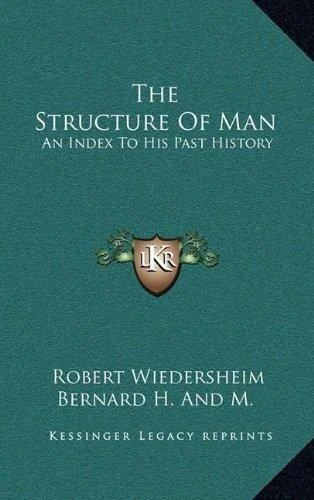
Vestigial organs are often presented as a classic line of evidence for evolution. Proponents contend that living organisms, humans included, possess structures that were fully functional in distant ancestors but are now useless or greatly diminished. Such remnants, they claim, strongly favor evolution and undermine creation. This “less-than-perfect design” argument hinges on a theological premise: a perfect Creator, they say, would not fashion purposeless organs. Charles Darwin was perhaps the first to advance this point, describing “rudimentary, atrophied, and aborted organs” in chapter 13 of On the Origin of Species.1 He described such organs as “bearing the plain stamp of inutility [uselessness]” and noted that they are “extremely common, or even general, throughout nature.” Darwin suggested that these organs once fulfilled essential roles but gradually lost their usefulness. In The Descent of Man, he listed about a dozen human examples—the appendix, coccyx (tailbone), body hair, ear muscles, wisdom teeth, and the semilunar fold at the inner corner of the eye—arguing that these vestiges offered strong evidence of humanity’s descent from more primitive ancestors.2 In 1893, the German anatomist Robert Wiedersheim enlarged Darwin’s catalogue of “useless organs” to 86, publishing the list in his work The Structure of Man: An Index to His Past History.3 Wiedersheim’s catalogue of vestigial organs included the parathyroid, pineal, and pituitary glands, as well as the thymus, tonsils, adenoids, appendix, third molars, and the valves within veins.4 Wiedersheim’s catalogue of vestigial organs was invoked as a key piece of evolutionary evidence during the celebrated Scopes “Monkey Trial” of 1925.5 Horatio Hackett Newman, a University of Chicago zoologist and outspoken champion of evolution, travelled to Dayton, Tennessee, to testify as an expert witness at the Scopes “Monkey Trial.” On the witness stand he declared, “According to Robert Wiedersheim, there are no fewer than 180 [sic] vestigial structures in the human body—enough to make a man a veritable walking museum of antiquities.”6 In 1971 the Encyclopedia Britannica asserted that humans possess more than one hundred vestigial organs, and even as recently as 1981, some biology textbook authors still asserted that the human body contains up to one hundred vestigial organs.7 A leading modern biology textbook asserts that “many species of animals have vestigial organs,” citing, in humans, the appendix, the coccyx (tailbone), and the small ear muscles. 8 Beyond textbooks, today countless popular science magazines, evolution blogs, and websites continue to present vestigial organs as evidence for evolution. One Discovery Channel–sponsored site, for example, assures us that “the human body has something akin to its own junk drawer,” and that this junk drawer “is full of vestigial organs, or souvenirs of our evolutionary past.”9 As we will see, there are multiple problems with the claim that vestigial organs constitute evidence for evolution.
The first major flaw in the vestigial-organ argument may be put as a simple question: Why would a useless organ persist for millions of years after ceasing to have any selective advantage? In fact, Darwin himself raised this problem, wondering how an organ, once rendered useless, could continue shrinking until only the merest vestige is left. He declared: “It is scarcely possible that disuse can go on producing any further effect after the organ has once been rendered functionless. Some additional explanation is here requisite which I cannot give.”10 The second difficulty with invoking vestigial organs as evolutionary evidence is that the loss of a useful structure does not explain its origin. Evolutionists’ primary burden is to account for the spontaneous emergence of new, functional organs—not merely their reduction or disappearance. Degenerating a working organ is one thing; demonstrating how a fundamentally novel organ arises through random mutations and natural selection is quite another. A third difficulty in citing vestigial organs as evidence for evolution is the uncertainty about true function. How can scientists conclusively distinguish organs that are genuinely useless from those whose roles remain undiscovered? In fact, nearly every structure once dismissed as vestigial has since been shown to serve a purpose. Absence of evidence, after all, is not evidence of absence. Worse, labeling an organ “functionless” can be harmful: scientists may ignore it, and physicians may remove it as a supposed evolutionary leftover. The human appendix illustrates the danger. Alfred Romer—the noted American paleontologist and biologist widely known for his concepts of evolutionary history of vertebrate animals—once quipped that the appendix’s chief value “would appear to be financial support of the surgical profession.”11 One can only imagine how many healthy appendices have been removed since Darwin first deemed them useless vestiges. Even more alarming would be the surgical removal of a supposedly obsolete parathyroid or pituitary gland.
As scientific knowledge has advanced, the roster of allegedly functionless organs has steadily dwindled. In response, evolutionists have broadened the definition of a vestigial organ to include structures whose roles have supposedly “changed” over time. This shift sidesteps the need to prove that such organs are evolutionary leftovers. For example, while evolutionists concede that the human coccyx is vital for anchoring the pelvic diaphragm, they still maintain—without supporting evidence—that our ancestors once used it as a tail. It should be noted that citing vestigial organs as evidence for evolution is a textbook case of circular reasoning. Proponents first assert that these structures arose through evolutionary change, then point to their presence as proof of that very change. In logic, such circularity strips the argument of any real force.
Although evolutionists insist on interpreting these so-called vestigial organs exclusively through an evolutionary lens, alternative explanations—embryological development, sexual dimorphism, and homology—are both more plausible and demonstrable.
Embryological development: The human body undeniably contains structures that are true vestiges of prenatal growth. No empirical evidence confirms that any organ is an evolutionary leftover, but it is easy to demonstrate that an organ or structure is a remnant of embryological development. Several structures carry out specific tasks during gestation but seem redundant after birth, leaving only small, lifelong traces. These qualify as vestiges—but of development, not of evolution. Classic examples include the ligamentum arteriosum (arterial ligament), the ligamentum teres hepatis (the round ligament of the liver), and the median umbilical ligament.12
Sexual dimorphism: In most primates, males and females display marked anatomical differences, a phenomenon known as sexual dimorphism. For example, without prior knowledge, one might not even recognize a male and female gorilla skull as belonging to the same species. Humans show less dramatic, yet still clear, dimorphism: our bodies differ chiefly in the organs tied to reproduction. Up to the end of the sixth week of embryonic development, male and female embryos possess identical reproductive structures. Only afterward, guided by the sex chromosomes (XX in females, XY in males) and specific hormones, do these organs diverge—all while originating from the same primordial tissues. As a result, each sex carries vestigial remnants of the other’s reproductive system. Nearly every female reproductive organ appears in a modified or rudimentary form in males, and vice versa. For instance, the male prostatic utricle—an out-pouching of the prostatic urethra with no known function—is a vestige of the paramesonephric duct that forms the uterus and oviducts in females. Thus, these vestigial reproductive structures arise from embryological development, not from evolutionary history.13
Homology: Many organs labelled “vestigial” are better viewed as examples of homology. Homology denotes the underlying structural resemblance shared by different animals—an observation recognized by both evolutionists and creationists. Evolutionists attribute the pattern to descent from a common ancestor, whereas creationists see a common Designer meeting similar biological needs. All limbed vertebrates—amphibians, reptiles, birds, and mammals—begin with the same basic limb plan during embryonic development: one bone in the upper limb, two in the lower limb, and a hand or foot bearing five digits. The template is then modified for each species to suit its own way of life. Horses, for example, start with five digits in the embryo, but by birth retain only the third; the second and fourth survive merely as the splint bones alongside the cannon bone. Fossil evidence shows both three-toed and one-toed horses co-existing: National Geographic once featured a photograph of a three-toed horse (Pliohippus) and a one-toed horse (Equus) unearthed together in the same volcanic ash bed in Nebraska.14
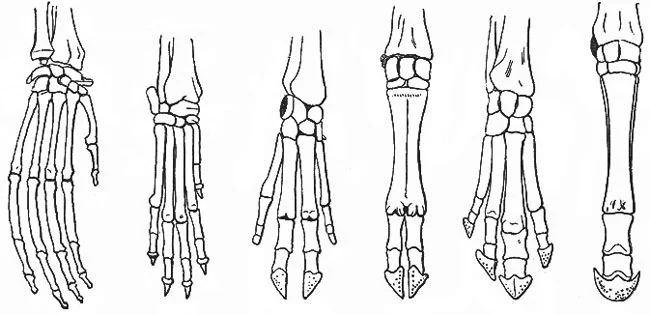
Thus, what seem to be “vestiges” in the modern horse—and in many other creatures—fit naturally within the homologous limb pattern shared by vertebrates, a structural theme that, by itself, offers no decisive proof of common ancestry. Human hair illustrates the same point: some evolutionists deem it vestigial, yet every mammal bears hair, whether compacted into a rhinoceros horn or fashioned into porcupine quills. Labeling the distinctive hairs of one mammal vestigial in comparison to another’s is biologically unsound.15
Let us examine several organs that are presently considered vestigial.
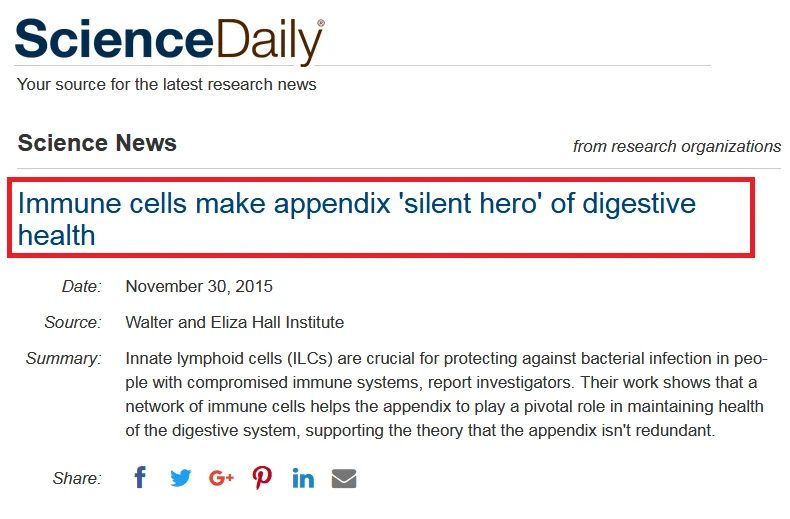
The appendix: It has been the prime example of a “useless” organ ever since Darwin. Live Science states that the appendix is “a vestigial organ left behind from a plant-eating ancestor.”16 During the mid-twentieth century, surgeons often removed the appendix prophylactically during abdominal operations, assuming it served no purpose. Many evolutionists still view the appendix as a vestige of the cecum—an enlarged pouch at the start of the large intestine—supposedly inherited from plant-eating ancestors. Yet humans possess both a fully developed cecum and an appendix, so the latter can hardly be dismissed as a shriveled remnant. Even the evolutionist Alfred Romer admitted that the appendix is “frequently cited as a vestigial organ supposedly proving something about evolution. This is not the case. . . .”17The key point is that the presence or absence of an appendix—or of a caecum—follows no discernible evolutionary pattern. Invertebrates, amphibians, reptiles, and birds all lack an appendix. Among mammals, only a few disparate groups possess one: rabbits, for instance, and certain marsupials such as the wombat, whereas dogs, cats, horses, and ruminants do not. Likewise, Old World and New World monkeys are without an appendix, yet anthropoid apes and humans have one.18 Contrary to what one would expect from a vestigial organ, the appendix is a complex, highly specialized organ with a rich blood supply. As part of the gut-associated lymphoid tissue (GALT), it contributes to immune defense, much like the tonsils and adenoids—structures also once deemed useless. Recent work suggests the appendix serves as a “safe house” for beneficial gut bacteria, enabling the colon to be re-inoculated with essential microbes after diarrhoeal illness or other purging events.19 Evolutionary claims often clash with the findings of science. Funnily enough, even standard medical textbooks present contrary views. For example, while leafing through Basics of General Surgery, the textbook used by medical students at Ain Shams University, I came across this remark: ”the appendix is the tonsil of the gastrointestinal tract (GIT).”20 A collaborative team headed by Professor Gabrielle Belz (Walter and Eliza Hall Institute, Melbourne) and Professor Éric Vivier (Centre d'Immunologie de Marseille-Luminy, France) discovered that an intricate network of immune cells enables the appendix to protect digestive health—evidence that the organ is functional rather than vestigial.21 ScienceDaily reported the findings of this new research in an article titled: “Immune cells make appendix ‘silent hero’ of digestive health.”22
Scientific American later underscored the appendix’s emerging medical significance with an article titled “Your Appendix Could Save Your Life.”23

The parathyroid gland: Evolutionists have included the parathyroid gland in their list of so-called “vestigial” organs.24 The parathyroid glands are four small endocrine glands that continuously monitor and regulate calcium levels in the blood, bones, and throughout the body. They do so by producing a hormone known as parathyroid hormone (PTH). Calcium is the most vital element in the human body, as it plays a key role in the functioning of many organ systems. For this reason, it is regulated more tightly than any other element. In fact, calcium is the only element with a dedicated regulatory system—the parathyroid glands. The sole function of the parathyroid glands is to maintain calcium levels within a very narrow range, ensuring the proper functioning of the nervous and muscular systems. These glands monitor blood calcium levels every minute of the day. When calcium levels drop, the parathyroids detect the decrease and secrete PTH, which acts on the bones to release stored calcium into the bloodstream—essentially making a withdrawal from the body’s calcium reserves. Once blood calcium levels return to normal, the parathyroid glands cease PTH production. There is no doubt that removal of the parathyroid glands results in serious symptoms associated with calcium deficiency, a condition known as hypoparathyroidism.25

The pituitary gland: It is often cited by evolutionists as a so-called vestigial organ. It is in fact a small, pea-sized gland with a vital role in regulating essential body functions and overall well-being. Known as the “master gland,” it governs the activity of most other hormone-secreting glands and orchestrates a wide range of physiological processes. By sensing the body’s needs, it sends hormonal signals to various organs and glands to regulate their function and maintain internal balance. The pituitary releases a variety of hormones into the bloodstream, acting as messengers that influence distant cells and organs. For instance, it produces prolactin to stimulate milk production in the breasts and secretes hormones that act on the adrenal glands, thyroid gland, ovaries, and testes, prompting them to produce their respective hormones. Through this complex hormonal network, the pituitary gland regulates metabolism, growth, sexual maturation, reproduction, blood pressure, and numerous other critical functions.
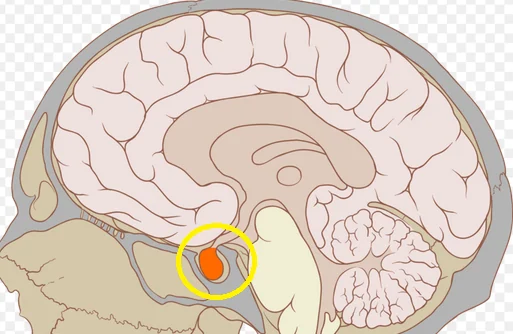
The pituitary gland produces growth hormone, which plays a key role in stimulating the growth of bones and other tissues, as well as regulating metabolism and overall body composition. A deficiency in this hormone before the end of puberty—when the formation of new bone tissue is complete—leads to pituitary dwarfism. Conversely, an excess of growth hormone during childhood results in a condition known as gigantism.

As earlier stated, even a minuscule fluctuation in growth hormone levels—as small as one hundred-millionth of a gram (0.00000001 grams)—can cause significant skeletal abnormalities.
The lacrimal gland: evolutionists considered it a vestigial organ due to their failure to recognize the crucial role tears play in preserving the health and function of the human eye.26 The primary function of the lacrimal gland (tear gland) is to produce lacrimal fluid, which constitutes the aqueous layer of the trilaminar tear film. This multilayered film serves several vital roles: it protects the ocular surface from pathogens, clears debris and metabolic waste, facilitates gaseous exchange by creating an air-tissue interface to oxygenate the avascular cornea, maintains a smooth optical surface for proper light transmission at the air-cornea boundary, and supports the health and transparency of the cornea by delivering essential nutrients and metabolites.
Robert Wiedersheim’s The Structure of Man: An Index to His Past History, which classifies the appendix along with the aforementioned remarkable glands—the parathyroid, pituitary, and lacrimal glands—as vestigial organs, is, without a doubt, one of the most fundamentally flawed works ever written.
Imagine what might have happened had you fallen into the hands of a surgeon who believed in the theory of evolution a century ago—how many of your organs would have been surgically removed under the mistaken assumption that they were useless vestiges?
Over the years, advances in biological science have cast serious doubt on the notion of vestigial organs as evidence for evolution. Creationist scholars, in particular, have mounted strong critiques of the evolutionary interpretation of such organs.27 The history of science records a continual decline in the number of so-called vestigial organs, as many of the organs once believed to be non-functional were gradually discovered to have essential roles. In fact, organs previously labeled as vestigial have all been shown to serve important physiological functions once their roles became understood.

Even some evolutionists now advocate for downplaying—or entirely abandoning—the use of vestigial organs as evidence for evolution. For instance, although Canadian biologist Steven R. Scadding had no objection to Darwinism, he critically examined the concept of vestigial organs as evolutionary evidence. Scadding concluded: “Since it is not possible to unambiguously identify useless structures, and since the structure of the argument used is not scientifically valid, I conclude that ‘vestigial organs’ provide no special evidence for the theory of evolution.”28 But did the myth of vestigial organs come to an end after a century? Unfortunately, this long-discredited myth continues to be cited as evidence for evolution. This persistence suggests that, although scientists often claim their research reveals the “truth”—the underlying causal laws of nature and the universe—the process of scientific inquiry is not entirely value-neutral or free from ideology. In reality, scientific research may reflect the biases of influential scientists and the interests of those who fund their work. In short, vestigial organs offer no credible support for evolutionary theory.
Notes and References
- 1
Charles Darwin, On the Origin of Species by Means of Natural Selection, or, The Preservation of Favoured Races in the Struggle for Life, (London, U.K.: John Murray, 1859).
- 2
---., The Descent of Man, and Selection in Relation to Sex, (London, U.K.: John Murray, 1871).
- 3
Robert Wiedersheim, The Structure of Man: An Index to His Past History, trans. H. and M. Bernard, (London, U.K.: Macmillan & Co, 1895).
- 4
Ibid.
- 5
The Scopes Trial, also known as the Scopes Monkey Trial (Jul. 10–21, 1925, Dayton, Tennessee, U.S.) was the highly publicized trial of a Dayton, Tennessee, high-school teacher, John T. Scopes, charged with violating state law by teaching Charles Darwin’s theory of evolution.
- 6
Bryan College, The World’s Most Famous Court Trial: Tennessee Evolution Case, (Dayton, U.S.: Bryan College, 1990).
This book is a complete transcript of the famous court test of the Tennessee Anti-Evolution Act, at Dayton, July 10 to 21, 1925, including speeches and arguments of attorneys, testimony of noted scientists, and William Jennings Bryan’s last speech.
- 7
S. R. Scadding, “Do Vestigial Organs Provide Evidence for Evolution?” Evolutionary Theory, vol. 5, May 1981, pp. 173–176, available at: https://www.mn.uio.no/cees/english/services/van-valen/evolutionary-theory/volume-5/vol-5-no-3-pages-173-176-s-r-scadding-do-vestigial-organs-provide-evidence-for-evolution.pdf.
- 8
Kenneth Miller and Joseph S. Levine, Biology: Teachers Edition, (Upper Saddle River, U.S.: Pearson Prentice Hall, 2006), p. 384.
- 9
Molly Edmonds, “How Vestigial Organs Work,” HowStuffWorks, 11 Aug. 2008, https://health.howstuffworks.com/human-body/parts/vestigial-organ.htm.
- 10
Charles Darwin, On the Origin of Species by Means of Natural Selection, or, The Preservation of Favoured Races in the Struggle for Life, (London, U.K.: John Murray, 1859), chapter 14, as cited in James MacLaren, A Critical Examination of Some of the Principal Arguments for and Against Darwinism, (London, U.K.: Edward Bumpus,1876), p. 267.
- 11
A. S. Romer and T. S. Parsons, The Vertebrate Body, (Philadelphia, U.S.: Saunders College Publishers, 1986), p. 389.
- 12
David Menton, “Chapter 24: Vestigial Organs—Evidence for Evolution?” in Ken Ham, The New Answers Book Vol. 3: Over 35 Questions on Evolution/Creation and the Bible, (Green Forest, U.S.: Master Books, 2010), available at: https://answersingenesis.org/human-body/vestigial-organs/vestigial-organs-evidence-for-evolution/.
Ligamentum arteriosum: obliterated remnant of the ductus arteriosus, an artery that shunted blood from the pulmonary trunk to the descending aorta, thus bypassing the lung during fetal development. In certain cases of congenital heart defects, the ductus arteriosus actually continues to function for some time after birth to keep the baby alive.
Ligamentum teres hepatis: obliterated remnant of the umbilical vein that shunted much of the oxygenated blood away from the liver to the inferior vena cava during fetal development.
Median umbilical ligament: an obliterated vestige of the allantois, a pouch extending off of the embryonic cloaca. The allantois disappears very early in gestation after functioning as a scaffolding to help construct the umbilical cord; this remnant is seen as a ligament extending from the bladder to the umbilicus (bellybutton).
- 13
Ibid.
- 14
M. R. Voorhies, “Dwarfing the St. Helens eruption: Ancient Ashfall Creates a Pompeii of Prehistoric Animals,” National Geographic, vol. 159, Jan. 1981, pp. 66–75, (quote in p. 74).
- 15
Ibid.
- 16
Brandon Miller, “Top 10 Useless Limbs (and Other Vestigial Organs) Countdowns,” Live Science, 9 Feb. 2005, https://www.livescience.com/11317-top-10-useless-limbs-vestigial-organs.html.
- 17
A. S. Romer and T. S. Parsons, The Vertebrate Body, (Philadelphia, U.S.: Saunders College Publishers, 1986), p. 358.
- 18
J. W. Glover, “The Human Vermiform Appendix: A General Surgeon’s Reflections,” Technical Journal, vol. 3, no. 1, 1988, pp. 31–38 available at: https://dl0.creation.com/articles/p028/c02821/j03_1_031-038.pdf.
- 19
R. R. Bollinger et al., “Biofilms in the Large Bowel Suggest an Apparent Function of the Human Vermiform Appendix,” Journal of Theoretical Biology, vol. 249, no. 4, 2007, pp. 826–831.
- 20
Mohammed El-Matary, Basics of General Surgery, (Cairo, Egypt: Matary Surgery, 2012), p. 187.
- 21
Lucille C. Rankin et al., “Complementarity and Redundancy of IL-22-Producing Innate Lymphoid Cells,” Nature Immunology, vol. 17, Feb. 2016, pp. 179–186. DOI: https://doi.org/10.1038/ni.3332.
- 22
Walter and Eliza Hall Institute, “Immune Cells Make Appendix ‘Silent Hero’ of Digestive Health,” ScienceDaily, 30 Nov. 2015, https://www.sciencedaily.com/releases/2015/11/151130130021.htm.
- 23
Rob Dunn, “Your Appendix Could Save Your Life: The humble organ may help us recover from serious infections,” Scientific American, 1 Mar. 2012, https://www.scientificamerican.com/article/your-appendix-could-save-your-life/.
- 24
Robert Wiedersheim, The Structure of Man: An Index to His Past History, (London, U.K.: Macmillan & Co, 1895).
- 25
Mayo Clinic Staff, “Hypoparathyroidism,” Mayo Clinic, 11 May 2022, https://www.mayoclinic.org/diseases-conditions/hypoparathyroidism/symptoms-causes/syc-20355375.
- 26
Robert Wiedersheim, The Structure of Man: An Index to His Past History, trans. H. and M. Bernard, (London, U.K.: Macmillan & Co, 1895).
- 27
Jerry Bergman and George Howe, Vestigial Organs are Fully Functional, (Terre Haute, U.S.: Creation Research Society Books, 1990).
- 28
Steven R. Scadding, “Do Vestigial Organs Provide Evidence for Evolution?” Evolutionary Theory, vol. 5, May 1981, pp. 173–76, (quote in p. 173).